
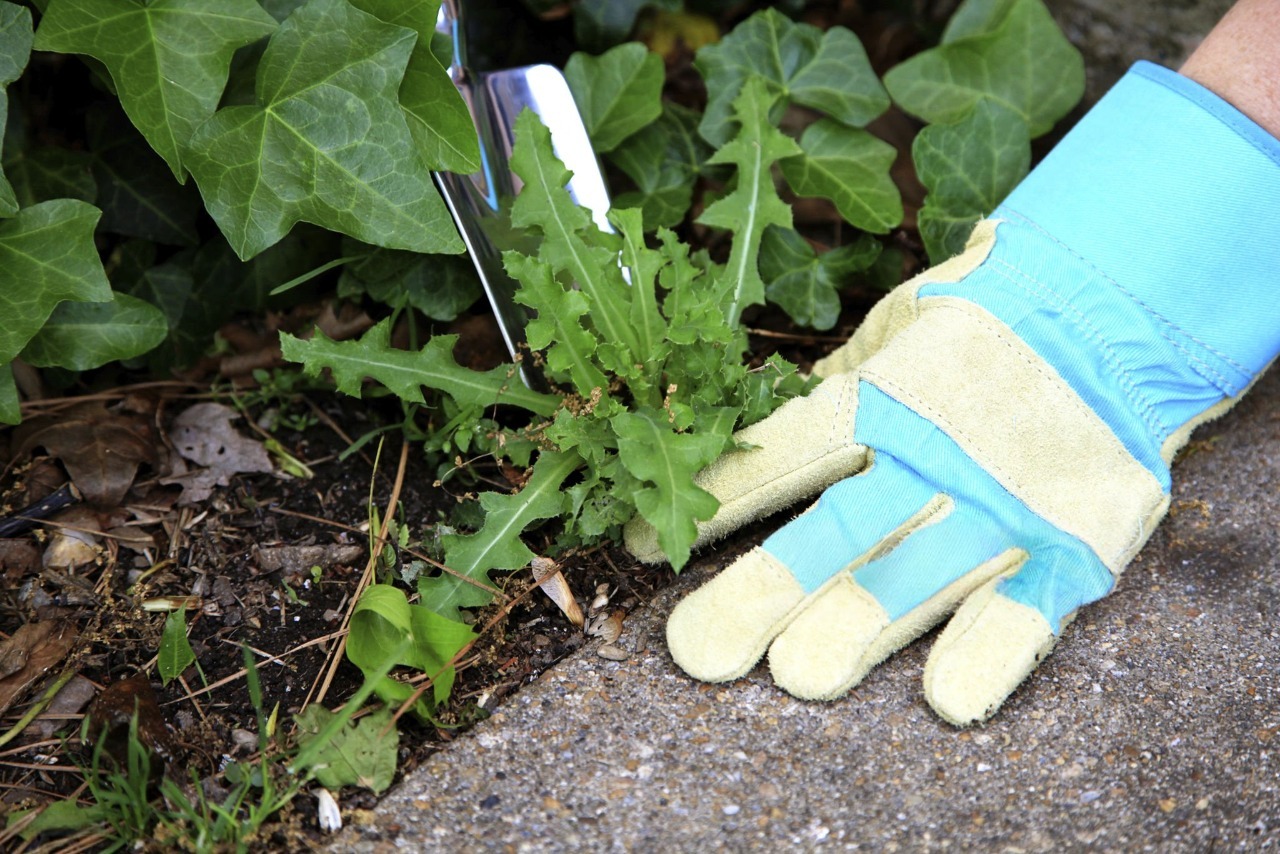
Weeds don’t appear overnight by accident. Along the Mississippi and Alabama Gulf Coast, warm temperatures, sandy soils, and extended growing seasons create the perfect environment for aggressive weed growth. The key to maintaining a thick, healthy lawn is not reacting after weeds take over. It’s implementing proactive strategies for weed control that stop problems before they spread.
Why Weed Pressure Is Higher on the Gulf Coast
Coastal lawns face unique environmental challenges:
-
Long growing seasons
-
High humidity
-
Frequent rainfall
-
Mild winters
These conditions allow both warm-season and cool-season weeds to germinate throughout the year. Without a structured weed management plan, invasive plants compete with turfgrass for nutrients, water, and sunlight.
Common Gulf Coast weeds include:
-
Crabgrass
-
Goosegrass
-
Dollarweed
-
Chamberbitter
-
Spurge
-
Annual bluegrass
Each variety requires specific timing and treatment. That’s why professional weed management focuses on prevention first.
The Power of Pre-Emergent Weed Control
If you want to stop weeds before they start, pre-emergent herbicides are essential. These treatments create a barrier in the soil that prevents weed seeds from sprouting. In coastal Mississippi and Alabama, timing matters. Pre-emergent applications are typically scheduled:
-
Late winter or early spring for summer weeds
-
Early fall for winter weeds
Missing this window allows seeds to germinate, making control more difficult later. Once weeds emerge, post-emergent treatments become necessary. Effective herbicide application depends on proper soil temperature, moisture levels, and grass type. Applying too early or too late reduces effectiveness. That’s why consistent monitoring is critical.
Post-Emergent Solutions for Active Weed Growth
When weeds are already visible, targeted post-emergent treatments help eliminate them without damaging desirable turf. However, not all herbicides are created equal. Different grass varieties are common along the Gulf Coast — including St. Augustine, Bermuda, Zoysia, and Centipede. Each variety responds differently to treatments. Using the wrong product or incorrect concentration can stress turf and create additional problems.
Professional weed control programs identify:
-
Weed type
-
Turf variety
-
Growth stage
-
Environmental conditions
This approach ensures accurate control while protecting lawn health.
How Lawn Maintenance Impacts Weed Growth
Weed prevention is not only about chemicals. Cultural practices play a major role in reducing infestations. Healthy turf naturally crowds out unwanted growth. When grass is thick and strong, weeds struggle to establish roots. Key lawn maintenance practices include:
- Proper Mowing: Cutting grass too short weakens turf and exposes soil to sunlight, encouraging weed germination. Maintaining correct mowing height improves density.
- Strategic Irrigation: Overwatering creates shallow roots and encourages certain weed species. Deep, infrequent watering strengthens turfgrass resilience.
- Balanced Fertilization: Underfed lawns become thin and vulnerable. Overfertilization can stimulate weed growth. A balanced nutrient program supports strong root systems.
- Soil Health Improvement: Compacted soil restricts airflow and root development. Aeration improves nutrient absorption and enhances overall turf performance. Combining cultural practices with professional weed management creates long-term control rather than short-term suppression.
Why DIY Weed Control Often Falls Short
Store-bought herbicides may appear convenient, but improper application can lead to:
-
Turf discoloration
-
Inconsistent results
-
Repeated infestations
-
Environmental runoff issues
Effective herbicide application requires understanding product selection, timing, and calibration. Without proper diagnosis, homeowners often treat symptoms instead of the root cause. A structured lawn maintenance program considers seasonal patterns unique to coastal Mississippi and Alabama, reducing the need for reactive treatments.
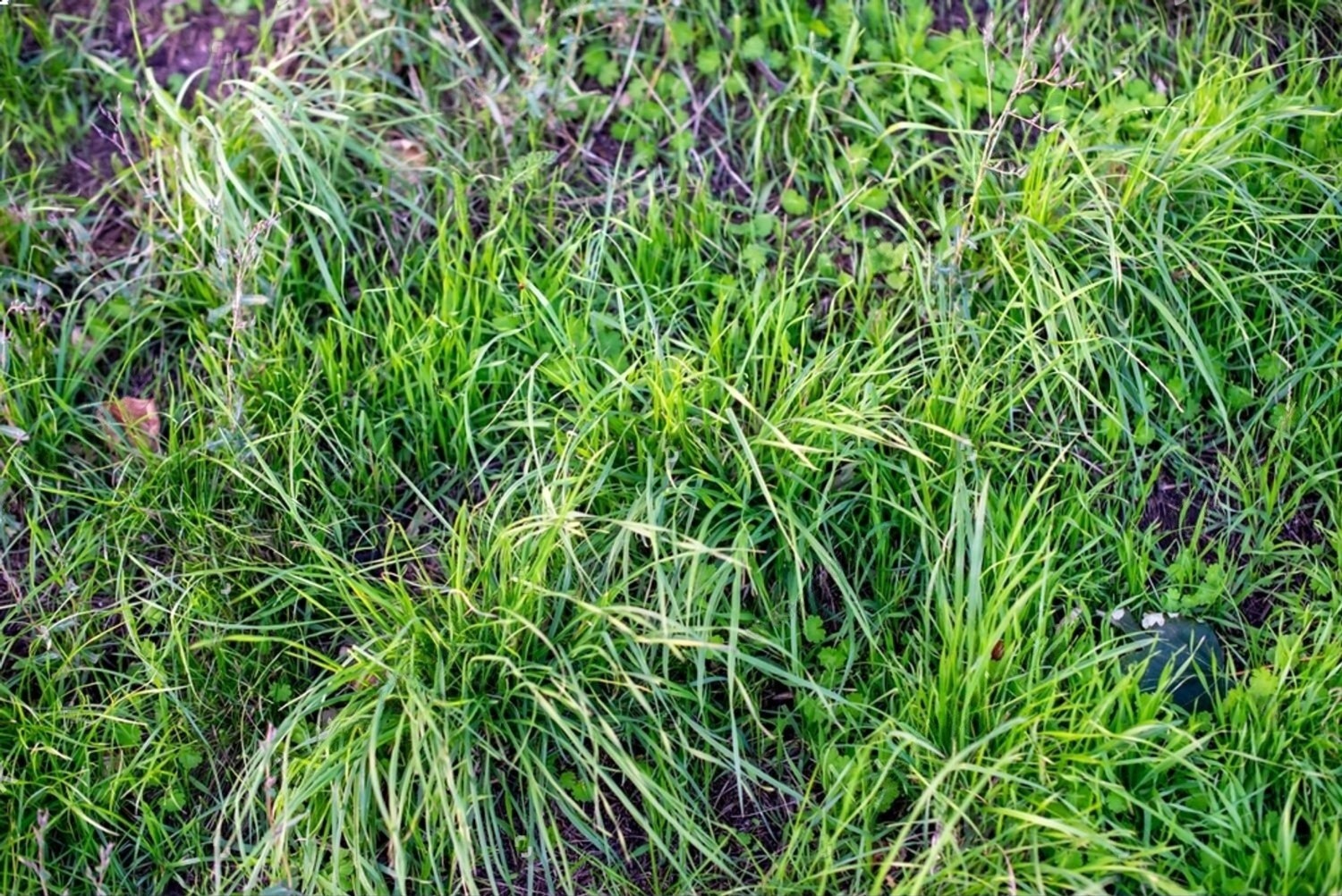
Seasonal Weed Control Timeline for Coastal Mississippi and Alabama
For optimal weed control, timing follows a predictable cycle:
Late Winter / Early Spring
-
Apply pre-emergent for summer annual weeds
-
Begin nutrient support program
Late Spring / Summer
-
Monitor and treat active weeds
-
Maintain mowing and irrigation practices
Early Fall
-
Apply pre-emergent for winter weeds
-
Strengthen turf before cooler temperatures
Winter
-
Spot treat visible weeds
-
Evaluate lawn density and soil condition
This year-round strategy prevents seed production and reduces recurring problems.
Integrated Weed Management for Long-Term Results
The most effective approach combines:
-
Preventative herbicide barriers
-
Targeted post-emergent treatments
-
Soil health improvement
-
Consistent lawn maintenance
-
Professional monitoring
Rather than waiting for visible outbreaks, proactive care reduces stress on turf and improves overall lawn appearance. Liqui-Chem Lawn & Shrub Care designs programs specifically for Gulf Coast conditions, helping homeowners maintain thick, healthy turf that resists invasive growth.
Frequently Asked Questions
When is the best time for weed control in coastal Mississippi?
Late winter and early fall are critical for pre-emergent applications. However, monitoring is necessary year-round due to the extended growing season.
Can weeds return after treatment?
Yes, if seeds remain in the soil or lawn health declines. Ongoing weed management prevents reinfestation.
Does fertilization help reduce weeds?
Healthy, dense turf competes with weeds. Balanced fertilization supports root strength and overall lawn density.
Take Control Before Weeds Take Over
Weeds are easier to prevent than eliminate. A proactive strategy combining proper herbicide application, soil improvement, and consistent lawn maintenance keeps Gulf Coast lawns looking clean and healthy throughout the year.
If you’re ready to protect your coastal turf with a customized weed control program, contact us today for a free lawn survey.
Early action today leads to a stronger, healthier lawn tomorrow.