Author: HYPR Local

  • The Best Time to Fertilize: A Seasonal Guide for Coastal Mississippi & Alabama

    The Best Time to Fertilize: A Seasonal Guide for Coastal Mississippi & Alabama

    Fertilizing your lawn isn’t just about applying nutrients. Proper fertilization is also about applying nutrients at the right time. Along the Gulf Coast, where warm temperatures, high humidity, and unpredictable rainfall shape growing conditions, timing plays a critical role in achieving consistent, healthy turf.

    If you’ve ever wondered about the best time to fertilize in coastal Mississippi, the answer isn’t a single date. Rather, it’s a seasonal strategy built around your lawn’s natural growth cycles.

    🌱 Quick Coastal Fertilization Timeline

    For homeowners along the Gulf Coast, here’s a simple seasonal guideline to follow:

    • April–May: First application after full green-up
    • June–July: Support active growth and density
    • August–September: Strengthen roots before fall
    • Winter: No fertilization — focus on monitoring


    This timeline provides a strong foundation, but keep in mind that soil conditions, grass type, and weather patterns can shift the ideal schedule slightly.

    Why Timing Matters More Along the Coast

    Coastal lawns face unique environmental pressures, including:

    • Extended growing seasons
    • Heavy rainfall and nutrient runoff
    • Sandy or compacted soils
    • Increased pest and disease activity


    Applying fertilizer at the wrong time can lead to wasted nutrients, weak growth, and increased vulnerability to weeds and pests. A well-timed fertilization program supports optimal growth, strengthens root systems, and helps your lawn recover from seasonal stress.

    Early Spring: Setting the Foundation

    As temperatures begin to warm and lawns come out of dormancy, early spring is the time to prepare your turf for the growing season ahead.

    What Your Lawn Needs:

    • Balanced nutrients to encourage healthy green-up
    • Support for root development after winter stress

    Avoid fertilizing too early. Applying nutrients before the lawn has fully greened up can lead to poor uptake and unnecessary runoff. Instead, wait until consistent growth begins.

    Late Spring: Fueling Active Growth

    Late spring is one of the most important windows in your seasonal fertilization schedule.

    What Your Lawn Needs

    • Nitrogen for strong blade growth
    • Continued support for root expansion


    This is when lawns build density, helping naturally suppress weeds and improve overall health.

    Summer: Supporting Strength Under Stress

    Summers along the Gulf Coast bring heat, humidity, and increased stress on turf.

    What Your Lawn Needs

    • Controlled nutrient applications
    • Support for stress tolerance and recovery


    Avoid heavy fertilization during peak heat, especially without consistent irrigation or during drought conditions.

    Early Fall: Recovery and Root Development

    As temperatures cool, lawns shift focus to root growth.

    What Your Lawn Needs

    • Nutrients that strengthen roots
    • Recovery support after summer stress


    Fall fertilization helps prepare your lawn for long-term health and a stronger return in spring.

    Winter: Minimal Growth, Maximum Planning

    While coastal lawns may not fully go dormant, growth slows significantly.

    What Your Lawn Needs

    • Minimal or no fertilization
    • Monitoring for disease or drainage issues


    A Smarter Approach to Fertilization

    There’s no one-size-fits-all schedule for coastal lawns. The best time to fertilize in coastal Mississippi depends on:

    • Grass type
    • Soil composition
    • Sun exposure
    • Drainage patterns
    • Seasonal weather


    At Liqui-Chem, we use soil testing and data-driven programs to determine exactly what your lawn needs — and when it needs it.

    Build a Healthier Lawn Year-Round

    Fertilization is most effective when it follows a seasonal schedule tailored to your lawn. Reach out today to schedule a free lawn evaluation and see how Liqui-Chem can help your property look its best.
  • Choosing the Right Green: Best Grass Types for Coastal Mississippi & Alabama

    Choosing the Right Green: Best Grass Types for Coastal Mississippi & Alabama

    Living along the Gulf Coast comes with incredible views, warm weather, and long growing seasons — but it also presents unique challenges for lawns. High humidity, sandy soils, salt exposure, intense summer heat, and heavy rainfall can quickly stress turf that isn’t suited for coastal conditions.

    Choosing the right grass type is one of the most important steps toward a healthy, resilient lawn in coastal Mississippi and Alabama. The right choice reduces maintenance, improves durability, and helps your lawn recover faster from environmental stress.

    Below, we break down the most common grass types used in coastal areas — and what makes them succeed (or struggle).

    What Makes Coastal Lawns Different?

    Before choosing a grass variety, it’s important to understand what your lawn is up against:

    • Salt exposure from coastal air and occasional flooding

    • Sandy or compacted soils with limited nutrient retention

    • High humidity, increasing disease pressure

    • Periods of drought followed by heavy rainfall

    • Mixed sun and shade depending on trees and structures

    Grass that thrives inland may fail quickly along the coast. That’s why salt tolerance, drought resistance, and recovery ability matter more than appearance alone.

    St. Augustine Grass: A Popular Coastal Choice

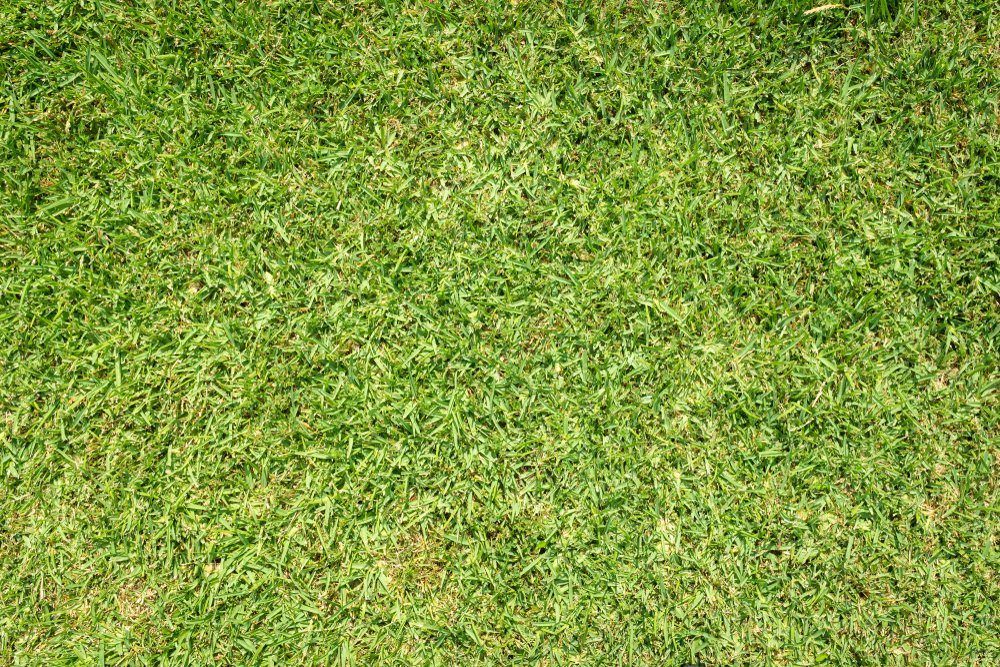
    St. Augustine grass in coastal Mississippi and Alabama

    St. Augustine grass is one of the most widely used grass types along the Mississippi and Alabama coastlines — and for good reason.

    Why It Works Well

    • Good salt tolerance

    • Performs well in partial shade

    • Dense growth helps crowd out weeds

    Considerations

    • Requires consistent fertilization

    • More susceptible to insects and disease if stressed

    • Benefits from professional care and monitoring

    St. Augustine lawns look great when managed properly, but they need the right balance of nutrients, water, and pest control to stay healthy in coastal environments.

    Centipede Grass: Low Maintenance, With Limits

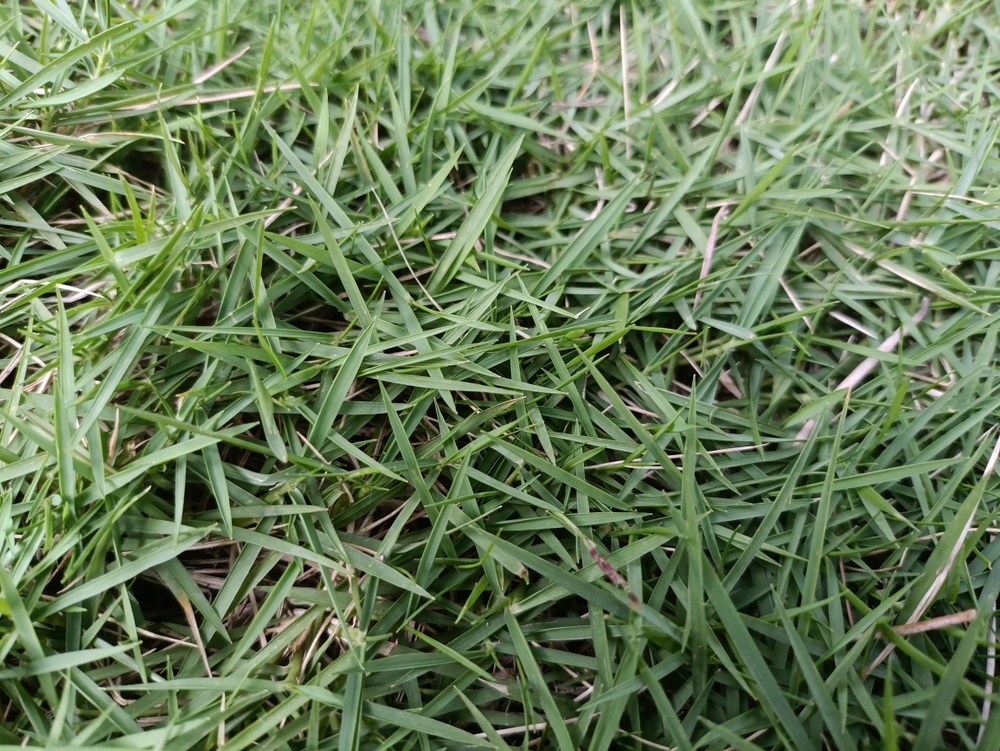
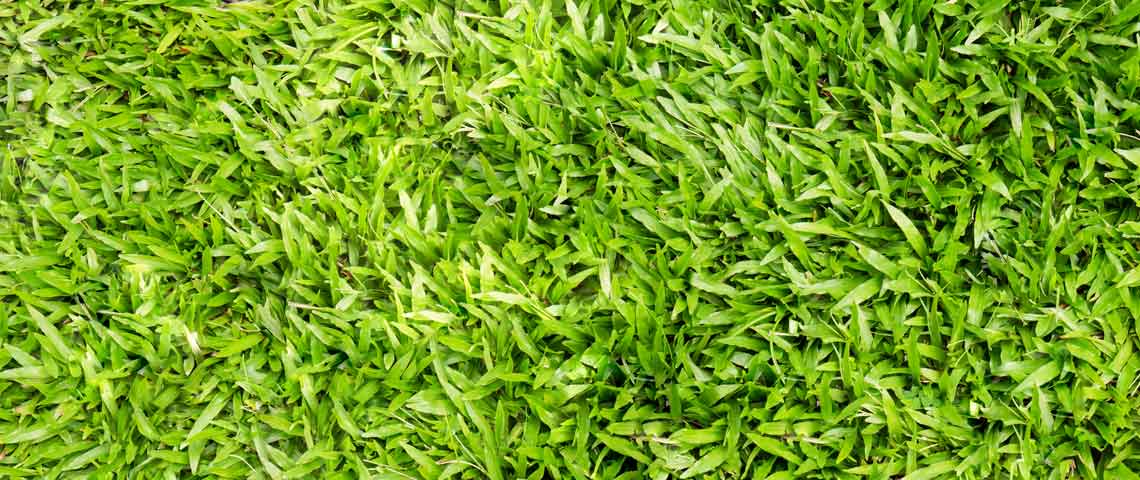
    A close up of green grass with small leaves

    Centipede grass is often chosen for its lower maintenance requirements and slower growth.

    Why It Works Well

    • Requires less fertilizer than many grass types

    • Performs well in acidic soils

    • Soft texture with a uniform appearance

    Considerations

    • Poor tolerance for heavy foot traffic

    • Sensitive to over-fertilization

    • Can struggle in poorly drained areas

    Centipede grass can be a good option for homeowners seeking a simpler lawn, but it still requires proper soil conditions and careful nutrient management.

    Bermuda Grass: Durable and Sun-Loving

    Bermuda grass in coastal Mississippi and Alabama

    Bermuda grass is known for its toughness and ability to recover quickly from damage.

    Why It Works Well

    • Excellent drought resistance

    • Strong tolerance for heat and traffic

    • Rapid growth and recovery

    Considerations

    • Requires full sun

    • Can spread aggressively into beds and landscaped areas

    • Needs regular mowing to maintain appearance

    For open, sunny properties along the coast, Bermuda grass offers durability and resilience — especially in high-use areas.

    Zoysia Grass: Dense and Heat-Tolerant

    Zoysia grass combines many desirable traits, making it a strong contender for coastal lawns.

    Why It Works Well

    • Dense growth reduces weed pressure

    • Handles heat and drought well

    • Creates a thick, carpet-like lawn

    Considerations

    • Slower establishment

    • Higher upfront cost

    • Requires proper mowing and fertilization schedules

    Zoysia lawns reward patience with long-term durability and strong visual appeal when properly maintained.

    Native and Salt-Tolerant Grasses: A Smart Coastal Strategy

    Native grasses and regionally adapted varieties are gaining popularity for coastal lawns due to their natural resilience.

    Benefits of Native and Salt-Tolerant Grasses

    • Better adaptation to local soil and climate conditions

    • Reduced fertilizer and water needs

    • Improved tolerance to salt exposure and moisture fluctuations

    While native grasses may not fit every residential lawn aesthetic, they can be an excellent option for properties closer to the coast or areas with persistent environmental stress.

    Choosing the Right Grass Starts With the Right Evaluation

    There is no single “best” grass for every coastal lawn. The right choice depends on:

    • Soil composition and drainage

    • Sun and shade patterns

    • Salt exposure levels

    • Lawn usage and traffic

    • Maintenance preferences

    At Liqui-Chem, we take a knowledge-based approach to grass selection. Soil testing and site evaluation help ensure that the grass you choose has the best chance to thrive — not just survive.

    Set Your Lawn Up for Long-Term Success

    A healthy coastal lawn starts with the right foundation. Choosing a grass type that matches your environment reduces stress, improves resilience, and makes every other aspect of lawn care more effective.

  • What’s Eating Your Lawn? Identifying & Treating Common Coastal Pests

    What’s Eating Your Lawn? Identifying & Treating Common Coastal Pests

    If you live along the Mississippi or Alabama Gulf Coast, you already know that your lawn faces challenges homeowners in other regions don’t. Warm temperatures, high humidity, and mild winters create the perfect environment for lawn pests to thrive year-round. If you’re noticing thinning grass, irregular brown patches, or increased insect activity, pests may be the culprit.

    Some of the most common lawn pests in coastal Mississippi and Alabama include chinch bugs, sod webworms, armyworms, mole crickets, and grubs. Each pest damages turf differently, but the result is often the same: weakened roots, stressed grass, and areas that struggle to recover.

    Common Lawn Pests Along the Mississippi and Alabama Coasts

    1) Chinch Bugs

    Chinch bugs are one of the most destructive lawn pests in coastal Mississippi, especially in St. Augustine and centipede grass. These tiny insects feed by piercing grass blades and sucking out plant fluids, while also injecting toxins that block the grass’s ability to absorb water.

    Damage Caused by Chinch Bugs

    Chinch bugs damage lawns at the root and blade level, weakening turf until it can no longer recover. Because their feeding disrupts water uptake, affected areas often look drought-stressed even when irrigation is adequate.

    What Chinch Bug Damage Looks Like On Your Lawn

    • Irregular yellow or brown patches that continue to spread

    • Grass that looks dry and brittle despite watering

    • Damage that starts in sun-exposed areas and expands outward

    • Areas that do not recover with watering or fertilization

    Chinch bug damage is often mistaken for heat or drought stress, which allows infestations to worsen if left untreated.

    2) Armyworms

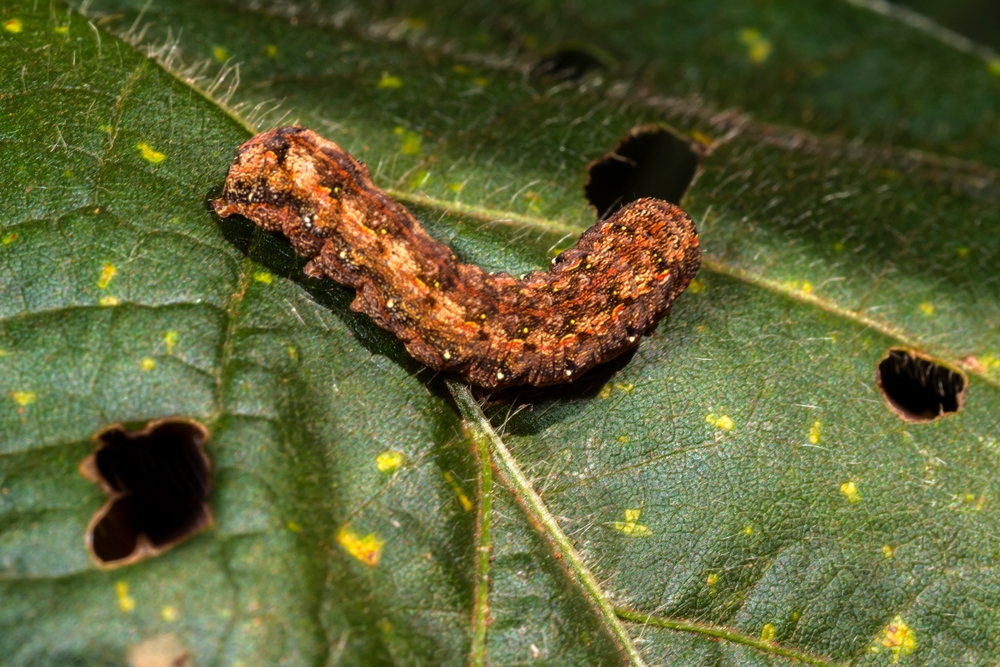
    Armyworms are fast-moving caterpillars that can cause severe lawn damage in a very short amount of time. They are most active during warm, humid periods and can appear seemingly overnight.

    Damage Caused by Armyworms

    Armyworms feed aggressively on grass blades, stripping turf down to the soil surface. Large infestations can destroy significant portions of a lawn within days if not addressed quickly.

    What Armyworm Damage Looks Like on Your Lawn

    • Grass that appears chewed or scalped

    • Sudden thinning or bare patches

    • Damage that spreads rapidly across the lawn

    • Increased bird activity as birds feed on the worms

    Because of how quickly armyworms feed, early detection is critical to prevent widespread damage.

    3) Sod Webworms

    Sod webworms are the larvae of small moths and are a common pest in coastal turfgrass. Unlike armyworms, sod webworms feed primarily at night, making them harder to spot during the day.

    Damage Caused by Sod Webworms

    Sod webworms chew grass blades near the surface, weakening turf and reducing its ability to photosynthesize properly. Over time, this leads to thinning grass and increased vulnerability to weeds and disease.

    What Sod Webworm Damage Looks Like on Your Lawn

    • Small brown patches that gradually enlarge

    • Grass that appears ragged or notched

    • Thinning turf rather than complete bare spots

    • Moths flying low over the lawn at dusk

    Webworm damage is often subtle at first but can become extensive if left untreated.

    4) Mole Crickets

    Mole crickets are burrowing insects that cause damage both above and below the soil surface. They are especially problematic in sandy coastal soils where tunneling is easier.

    Damage Caused By Mole Crickets

    Mole crickets damage lawns in two ways: by feeding on roots and shoots, and by tunneling through soil, which disrupts root systems and dries out turf.

    What Mole Cricket Damage Looks Like on Your Lawn

    • Raised tunnels or ridges in the soil

    • Spongy or uneven turf when walked on

    • Grass that pulls up easily due to root damage

    • Irregular dead patches that worsen over time

    Because mole crickets live below the surface, damage often continues unnoticed until turf decline becomes severe.

    Why Professional Pest Identification Matters

    Many lawn pests cause similar symptoms, but require very different treatments. Misidentifying the pest can lead to ineffective control, wasted money, and ongoing damage.

    At Liqui-Chem, we use targeted pest control strategies based on proper identification, seasonal timing, and environmental conditions — ensuring effective results without unnecessary treatments.

    Schedule a Lawn Pest Inspection to protect your lawn from common coastal pests before damage becomes permanent.