
A lush, green yard doesn’t just happen. It starts from the ground up. In Mississippi, homeowners often focus on watering and mowing, but overlook a critical factor: soil health. Without proper nutrients, even the most diligent lawn care routine may fail. That’s where soil testing comes in. Understanding your soil’s needs through professional soil analysis and pH testing sets the foundation for a thriving, vibrant yard.
Why Soil Testing Matters in Coastal Mississippi and Alabama
Coastal soils face unique challenges. Warm temperatures, high humidity, and frequent rainfall can wash away essential nutrients or alter soil chemistry over time. Without a clear picture of your soil’s composition, fertilization efforts can be inefficient or even harmful.
A proper soil test reveals:
-
Nutrient levels (nitrogen, phosphorus, potassium, and micronutrients)
-
Soil pH, which affects nutrient absorption
-
Organic matter content
-
Potential deficiencies limiting grass growth
By identifying deficiencies early, you can implement a nutrient management plan that saves time, money, and frustration, while promoting a healthy lawn year-round.
Essential Nutrients Your Yard Needs
Healthy turf relies on a balance of macronutrients and micronutrients. Here’s a quick breakdown of what your lawn needs:
-
Nitrogen (N): Supports leaf growth, giving grass its lush green color
-
Phosphorus (P): Encourages strong root development, especially important for new sod or seed
-
Potassium (K): Enhances disease resistance and drought tolerance
-
Micronutrients (Iron, Magnesium, Zinc, etc.): Small amounts, but crucial for overall plant health and vibrant color
Without proper soil analysis, applying fertilizers blindly can lead to over- or under-fertilization, which stresses grass and encourages weed growth.
The Role of pH Testing
Soil pH determines how well grass absorbs nutrients. Most coastal Mississippi and Alabama lawns thrive in slightly acidic to neutral soil (pH 6.0–7.0). If your soil is too acidic or alkaline, even nutrient-rich fertilizers won’t be effective.
pH testing is essential for:
-
Identifying whether lime or sulfur is needed
-
Optimizing nutrient uptake
-
Preventing turf stress or discoloration
Regular soil testing ensures your nutrient program matches your soil’s specific needs, improving lawn resilience and appearance.
Steps to a Smarter Nutrient Management Plan
A structured nutrient management plan combines the science of soil health with practical lawn care strategies:
-
Schedule a Soil Test: Start with a comprehensive soil analysis to determine nutrient levels, pH, and organic matter content.
-
Interpret Results: Professionals will provide actionable recommendations tailored to your turf type and environmental conditions.
-
Apply Fertilizer Strategically: Follow a targeted fertilization plan based on soil test results, rather than guesswork.
-
Monitor and Adjust: Regular pH testing and follow-up soil tests ensure nutrient balance remains optimal throughout the year.
This step-by-step approach prevents nutrient deficiencies, promotes strong root systems, and supports thick, green turf that is resistant to weeds and disease.
How Soil Testing Improves Lawn Health
A well-nourished lawn isn’t just more attractive, it’s more resilient. Benefits of proactive soil testing and nutrient management include:
-
Reduced Weed Pressure: Healthy, dense turf crowds out invasive plants.
-
Improved Drought Resistance: Nutrient-rich soil strengthens root systems, helping grass withstand dry periods.
-
Enhanced Disease Resistance: Balanced nutrients prevent stress-related disease outbreaks.
-
Cost-Effective Fertilization: Apply only what’s necessary, avoiding waste and environmental runoff.
In coastal Mississippi and Alabama, where seasonal rains and variable temperatures can quickly alter soil composition, ongoing monitoring is key to long-term lawn success.
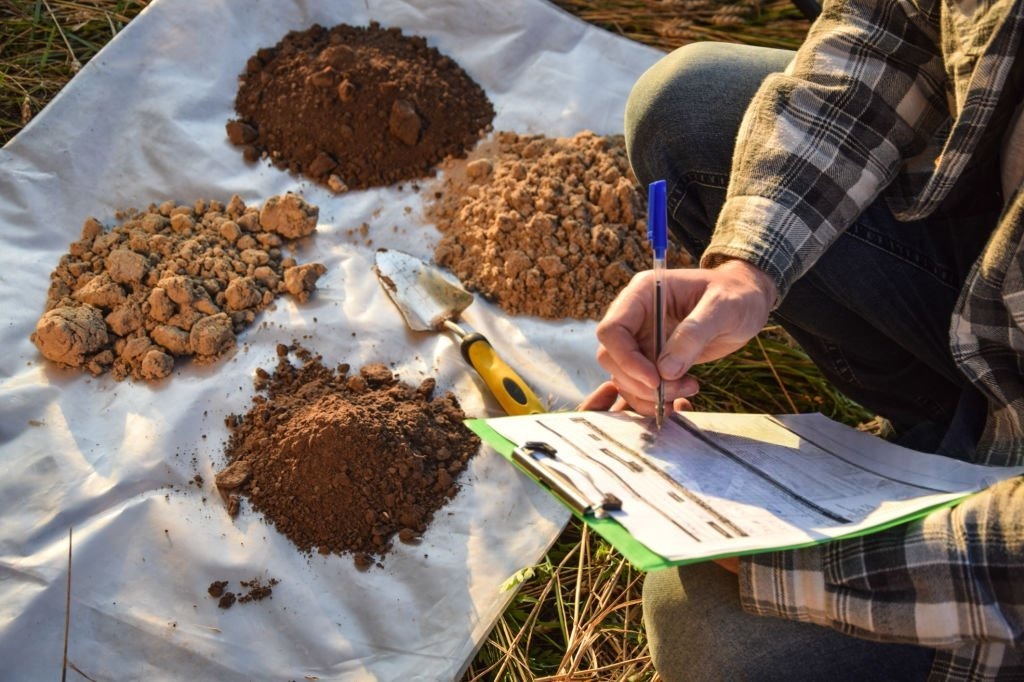
DIY vs Professional Soil Testing
While home test kits are available, they often provide limited data and may lack precision. Professional soil testing offers:
-
Accurate measurement of macro and micronutrients
-
Reliable pH and organic matter analysis
-
Expert recommendations for your lawn type and regional conditions
Investing in professional soil analysis is a small cost compared to repeated fertilization mistakes or a struggling lawn.
Seasonal Timing for Soil Testing
To maximize results, schedule soil tests strategically:
-
Early Spring: Prepare for the growing season by identifying nutrient deficiencies.
-
Late Summer / Early Fall: Address nutrient depletion from summer heat and prepare turf for winter.
-
Regular Intervals: Every 2–3 years for established lawns ensures ongoing soil health.
By testing at the right time, you ensure fertilizers and amendments are applied effectively, supporting year-round turf vigor.
Take Action Today: Schedule Your Soil Test
Your lawn’s health begins below the surface. A proactive approach with professional soil testing in coastal regions, coupled with nutrient management and pH monitoring, keeps your turf thick, green, and resilient.
Don’t wait until yellowing grass or patchy areas appear. Schedule your soil test today to give your yard the nutrients it needs to thrive.