Category: Solutions

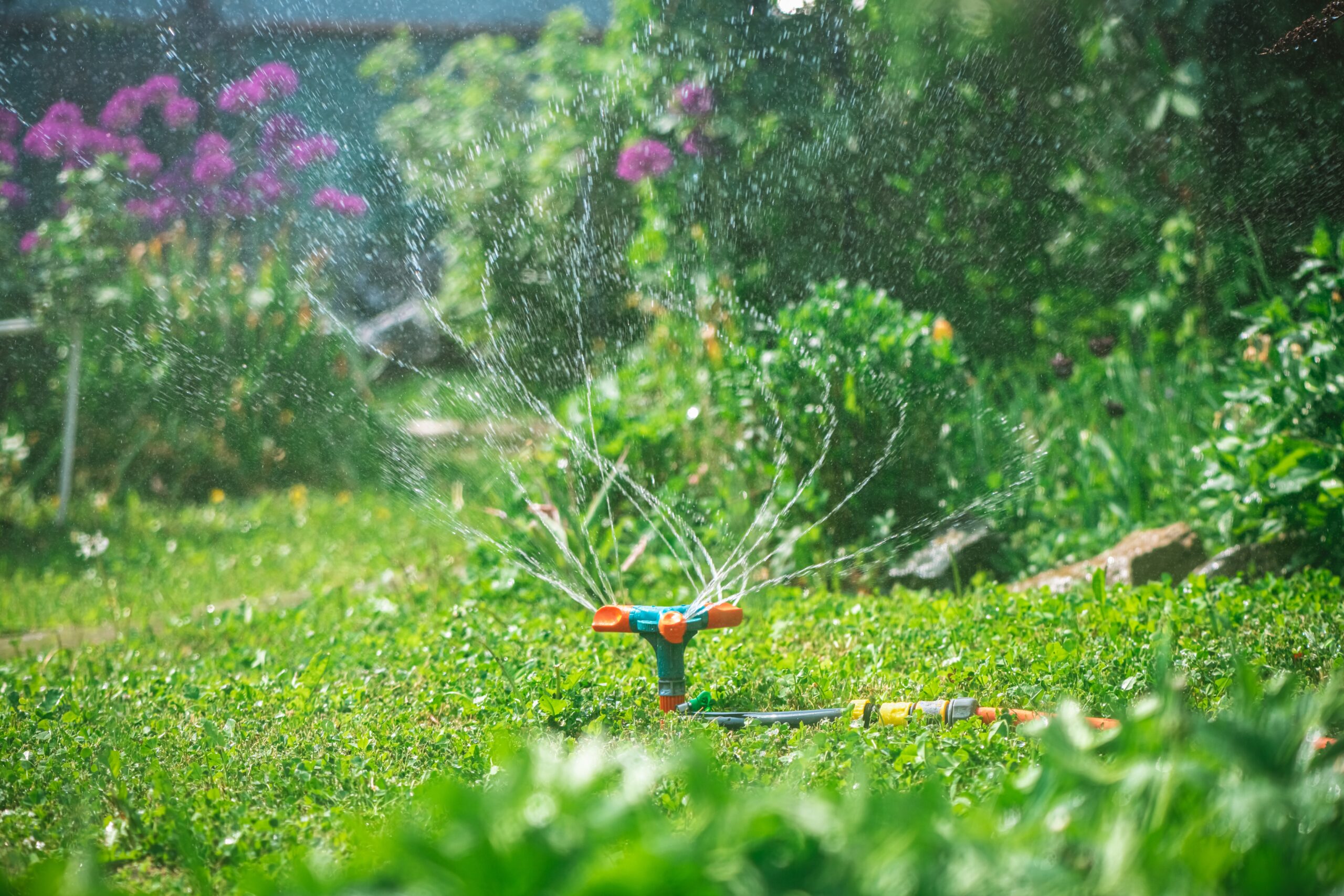
  • Water Wisely: Smart Irrigation for Sustainable Coastal Mississippi Yards

    Water Wisely: Smart Irrigation for Sustainable Coastal Mississippi Yards

    Coastal landscapes along the Gulf experience intense sunshine, sandy substrates, salt-laden breezes, and sudden downpours. These environmental conditions make hydration strategy more complex than simply turning on a timer. Coastal Mississippi property owners searching for irrigation solutions need technology designed for regional climate patterns, not generic setups.

    This guide explains how modern watering infrastructure improves turf vitality, reduces utility expenses, and supports long-term sustainability across coastal Mississippi neighborhoods.

    Why Smart Watering Set-Ups Are a Benefit for Coastal Lawns

    Conventional sprinkler setups often operate on fixed schedules. However, Gulf Coast weather shifts rapidly. Afternoon storms may saturate lawns unexpectedly, while extended dry spells increase evapotranspiration rates.

    Without adaptive control:

    • Overwatering can cause fungal development and shallow root growth

    • Runoff wastes resources and contributes to nutrient loss

    • Utility bills increase unnecessarily

    Smart solutions solve these inefficiencies through automation, precision application, and real-time environmental response.

    What Is Smart Irrigation?

    Smart irrigation uses advanced controllers, soil sensors, weather data integration, and high-efficiency delivery components to regulate moisture levels accurately. Instead of fixed programming, these systems respond dynamically to conditions.

    Core components include:

    • Weather-based controllers

    • Soil moisture probes

    • Pressure-regulated spray heads

    • Zoned layouts

    • Drip irrigation lines for planting beds

    • High-efficiency sprinkler systems

    Together, these technologies optimize hydration while reducing waste.

    Benefits of Smart Irrigation Systems in Mississippi

    1. Water Conservation

    Coastal communities face increasing emphasis on sustainability. Smart irrigation systems adjust schedules based on rainfall, humidity, and temperature. This prevents oversaturation and minimizes runoff.

    Reduced consumption supports aquifer preservation and lowers environmental impact.

    2. Healthier Turf and Plantings

    Precision watering encourages deep root development. Native grasses, ornamental shrubs, and flowering beds thrive when moisture penetrates gradually, rather than flooding the surface.

    Drip irrigation ensures consistent hydration at the root zone, reducing disease risk and foliage stress.

    3. Lower Utility Costs

    Efficient delivery combined with responsive scheduling can reduce outdoor water use by up to 30–50%. Over time, savings offset installation investment.

    4. Environmental Responsibility

    Smart water management reduces nutrient leaching into nearby waterways. For coastal Mississippi and Alabama homeowners, protecting surrounding ecosystems remains essential.

    Key Smart Irrigation Technologies Explained

    Weather-Based Controllers

    These devices connect to local meteorological data. When rain occurs, the system pauses automatically. During heat waves, runtimes adjust to compensate for higher evaporation.

    Soil Moisture Sensors

    Installed beneath turf surfaces, sensors measure volumetric water content. When levels reach optimal range, watering stops.

    High-Efficiency Sprinkler Systems

    Modern spray heads produce uniform droplet sizes and reduce misting. Pressure regulation ensures even coverage across zones.

    Drip Irrigation

    Ideal for foundation plantings, vegetable beds, and landscaped borders, drip irrigation delivers water slowly at the root level. This minimizes evaporation and eliminates overspray.

    Designing a Sustainable Coastal Irrigation Plan

    A high-performing setup begins with site analysis.

    Professional evaluation considers:

    • Soil composition (sandy vs. loamy)

    • Slope and drainage patterns

    • Sun exposure

    • Plant variety

    • Existing plumbing infrastructure

    Zones are then created based on plant water requirements. Turf areas receive different scheduling than ornamental shrubs or groundcover.

    Smart irrigation systems integrate these zones into programmable controllers that adjust automatically throughout the year.

    Common Questions About Irrigation Systems

    How often should coastal lawns be watered?

    Frequency depends on season, rainfall, and soil type. Smart controllers calculate optimal intervals using real-time data rather than guesswork.

    Is drip irrigation better than traditional sprinkler systems?

    For planting beds and shrubs, drip irrigation provides superior efficiency. For large turf expanses, high-efficiency sprinkler systems remain effective when properly calibrated.

    Do smart irrigation systems require maintenance?

    Annual inspections ensure sensors, valves, and emitters operate correctly. Seasonal adjustments may be recommended before peak summer heat.

    Can older systems be upgraded?

    Yes. Many existing sprinkler systems can be retrofitted with smart controllers and upgraded heads to improve performance without complete replacement.

    Best Practices for Long-Term Performance

    To maintain efficiency:

    • Inspect nozzles for clogs

    • Check for leaks monthly

    • Adjust zones seasonally

    • Clean filters regularly

    • Monitor plant health

    Professional audits identify inefficiencies before they escalate.

    Ready to Upgrade Your Water Management Strategy?

    If your current sprinkler systems operate on outdated timers, or your property struggles with inconsistent coverage, it may be time for a professional evaluation.
  • The Expertise Behind Your Thriving Lawn

    The Expertise Behind Your Thriving Lawn

    Meet the Liqui-Chem Team

    A healthy, green lawn doesn’t happen by accident. It takes the right knowledge, proper timing, and consistent care to keep your landscape looking its best throughout the year. While many homeowners focus on products and treatments, the real difference comes from the people behind the work, the trained professionals who understand how to apply science-based solutions effectively. At Liqui-Chem, lawn care is not just about spraying treatments. It’s about combining experience, local knowledge, and proven methods to deliver consistent results. With decades of experience serving the Gulf Coast, our team has built a reputation for delivering reliable and effective lawn care solutions tailored to each property. If you’ve ever wondered what makes professional lawn care truly effective, it starts with the specialists behind it.

    The Role of Lawn Care Specialists in Long-Term Lawn Health

    Lawn care specialists do much more than apply treatments. Their role is to evaluate, diagnose, and maintain your lawn using a structured approach that focuses on long-term health instead of short-term fixes.

    At Liqui-Chem, our specialists are trained to handle multiple aspects of lawn care, including weed control, pest management, fertilization, and disease prevention. Their work is built around science-based methods that ensure each treatment is applied at the right time and in the right way.

    You can explore the full range of these services through our lawn care services. This structured approach ensures that your lawn is not just treated, but also properly managed over time.

    Science-Based Solutions That Actually Work

    One of the key differences between DIY lawn care and professional services is the use of science-based solutions. Instead of guessing, specialists rely on tested methods that are designed to deliver consistent and measurable results.

    Liqui-Chem’s approach includes:

    • Identifying soil conditions and lawn health
    • Selecting the correct treatments for specific problems
    • Applying treatments based on seasonal timing


    Our programs include herbicide, fertilizer, insecticide, and fungicide treatments, all designed to work together for optimal lawn health.

    This level of precision ensures that your lawn gets exactly what it needs. Nothing more, nothing less.

    Local Knowledge Makes a Big Difference

    Lawn care is not the same everywhere. Soil conditions, weather patterns, and weed types vary by region, which means a one-size-fits-all approach simply doesn’t work.

    Liqui-Chem’s team is based in Ocean Springs, Mississippi, and has been serving the Mississippi and Alabama Gulf Coast for over 40 years.

    That local experience allows our specialists to:

    • Understand common weed and lawn pest issues in the area
    • Adjust treatments based on seasonal changes
    • Apply solutions that are proven to work in local conditions


    Our expertise is a major advantage over generic DIY solutions that don’t account for regional differences. Our specialists’ training and experience also helps avoid common mistakes that happen with DIY applications, such as overuse of chemicals or improper timing. Professional lawn care delivers more consistent and reliable results.

    How Liqui-Chem Specialists Deliver Better Results

    What sets Liqui-Chem apart is not just the treatments, it’s how those treatments are applied and managed over time.

    Our specialists follow a structured process that includes:

    • Lawn evaluation and assessment
    • Customized treatment planning
    • Scheduled applications throughout the year
    • Ongoing monitoring and adjustments


    This approach ensures that your lawn continues to improve over time instead of going through cycles of temporary fixes.

    More Than Just Lawn Care

    In addition to lawn care, we offer additional services including shrub care, lawn pest control, and additional treatments that help maintain the overall health of your property. By combining multiple treatments into a single plan, we can deliver better results and reduce the need for repeated short-term fixes.

    Why Expertise Matters More Than Products

    Many homeowners believe that buying the right product is enough to fix lawn problems. But the truth is, even the best products won’t work if they are not used correctly.

    The real value comes from:

    • Knowing what to apply
    • Knowing when to apply it
    • Knowing how much to apply


    This is where professional expertise makes all the difference. Liqui-Chem specialists remove the guesswork and replace it with a proven system that delivers results.

    A Team You Can Trust

    Liqui-Chem has grown into one of the most trusted lawn and shrub care providers along the Gulf Coast by focusing on consistency, reliability, and customer satisfaction.

    Our specialists are committed to delivering results that homeowners can see and rely on throughout the year.

    If you’re ready to take the next step, you can contact Liqui-Chem to learn more about our services and get started with a customized plan.

  • The Best Time to Fertilize: A Seasonal Guide for Coastal Mississippi & Alabama

    The Best Time to Fertilize: A Seasonal Guide for Coastal Mississippi & Alabama

    Fertilizing your lawn isn’t just about applying nutrients. Proper fertilization is also about applying nutrients at the right time. Along the Gulf Coast, where warm temperatures, high humidity, and unpredictable rainfall shape growing conditions, timing plays a critical role in achieving consistent, healthy turf.

    If you’ve ever wondered about the best time to fertilize in coastal Mississippi, the answer isn’t a single date. Rather, it’s a seasonal strategy built around your lawn’s natural growth cycles.

    🌱 Quick Coastal Fertilization Timeline

    For homeowners along the Gulf Coast, here’s a simple seasonal guideline to follow:

    • April–May: First application after full green-up
    • June–July: Support active growth and density
    • August–September: Strengthen roots before fall
    • Winter: No fertilization — focus on monitoring


    This timeline provides a strong foundation, but keep in mind that soil conditions, grass type, and weather patterns can shift the ideal schedule slightly.

    Why Timing Matters More Along the Coast

    Coastal lawns face unique environmental pressures, including:

    • Extended growing seasons
    • Heavy rainfall and nutrient runoff
    • Sandy or compacted soils
    • Increased pest and disease activity


    Applying fertilizer at the wrong time can lead to wasted nutrients, weak growth, and increased vulnerability to weeds and pests. A well-timed fertilization program supports optimal growth, strengthens root systems, and helps your lawn recover from seasonal stress.

    Early Spring: Setting the Foundation

    As temperatures begin to warm and lawns come out of dormancy, early spring is the time to prepare your turf for the growing season ahead.

    What Your Lawn Needs:

    • Balanced nutrients to encourage healthy green-up
    • Support for root development after winter stress

    Avoid fertilizing too early. Applying nutrients before the lawn has fully greened up can lead to poor uptake and unnecessary runoff. Instead, wait until consistent growth begins.

    Late Spring: Fueling Active Growth

    Late spring is one of the most important windows in your seasonal fertilization schedule.

    What Your Lawn Needs

    • Nitrogen for strong blade growth
    • Continued support for root expansion


    This is when lawns build density, helping naturally suppress weeds and improve overall health.

    Summer: Supporting Strength Under Stress

    Summers along the Gulf Coast bring heat, humidity, and increased stress on turf.

    What Your Lawn Needs

    • Controlled nutrient applications
    • Support for stress tolerance and recovery


    Avoid heavy fertilization during peak heat, especially without consistent irrigation or during drought conditions.

    Early Fall: Recovery and Root Development

    As temperatures cool, lawns shift focus to root growth.

    What Your Lawn Needs

    • Nutrients that strengthen roots
    • Recovery support after summer stress


    Fall fertilization helps prepare your lawn for long-term health and a stronger return in spring.

    Winter: Minimal Growth, Maximum Planning

    While coastal lawns may not fully go dormant, growth slows significantly.

    What Your Lawn Needs

    • Minimal or no fertilization
    • Monitoring for disease or drainage issues


    A Smarter Approach to Fertilization

    There’s no one-size-fits-all schedule for coastal lawns. The best time to fertilize in coastal Mississippi depends on:

    • Grass type
    • Soil composition
    • Sun exposure
    • Drainage patterns
    • Seasonal weather


    At Liqui-Chem, we use soil testing and data-driven programs to determine exactly what your lawn needs — and when it needs it.

    Build a Healthier Lawn Year-Round

    Fertilization is most effective when it follows a seasonal schedule tailored to your lawn. Reach out today to schedule a free lawn evaluation and see how Liqui-Chem can help your property look its best.

  • Is Your Soil Starving? Essential Nutrients for a Thriving Mississippi Yard

    Is Your Soil Starving? Essential Nutrients for a Thriving Mississippi Yard

    A lush, green yard doesn’t just happen. It starts from the ground up. In Mississippi, homeowners often focus on watering and mowing, but overlook a critical factor: soil health. Without proper nutrients, even the most diligent lawn care routine may fail. That’s where soil testing comes in. Understanding your soil’s needs through professional soil analysis and pH testing sets the foundation for a thriving, vibrant yard.

    Why Soil Testing Matters in Coastal Mississippi and Alabama

    Coastal soils face unique challenges. Warm temperatures, high humidity, and frequent rainfall can wash away essential nutrients or alter soil chemistry over time. Without a clear picture of your soil’s composition, fertilization efforts can be inefficient or even harmful.

    A proper soil test reveals:

    • Nutrient levels (nitrogen, phosphorus, potassium, and micronutrients)

    • Soil pH, which affects nutrient absorption

    • Organic matter content

    • Potential deficiencies limiting grass growth

    By identifying deficiencies early, you can implement a nutrient management plan that saves time, money, and frustration, while promoting a healthy lawn year-round.

    Essential Nutrients Your Yard Needs

    Healthy turf relies on a balance of macronutrients and micronutrients. Here’s a quick breakdown of what your lawn needs:

    • Nitrogen (N): Supports leaf growth, giving grass its lush green color

    • Phosphorus (P): Encourages strong root development, especially important for new sod or seed

    • Potassium (K): Enhances disease resistance and drought tolerance

    • Micronutrients (Iron, Magnesium, Zinc, etc.): Small amounts, but crucial for overall plant health and vibrant color

    Without proper soil analysis, applying fertilizers blindly can lead to over- or under-fertilization, which stresses grass and encourages weed growth.

    The Role of pH Testing

    Soil pH determines how well grass absorbs nutrients. Most coastal Mississippi and Alabama lawns thrive in slightly acidic to neutral soil (pH 6.0–7.0). If your soil is too acidic or alkaline, even nutrient-rich fertilizers won’t be effective.

    pH testing is essential for:

    • Identifying whether lime or sulfur is needed

    • Optimizing nutrient uptake

    • Preventing turf stress or discoloration

    Regular soil testing ensures your nutrient program matches your soil’s specific needs, improving lawn resilience and appearance.

    Steps to a Smarter Nutrient Management Plan

    A structured nutrient management plan combines the science of soil health with practical lawn care strategies:

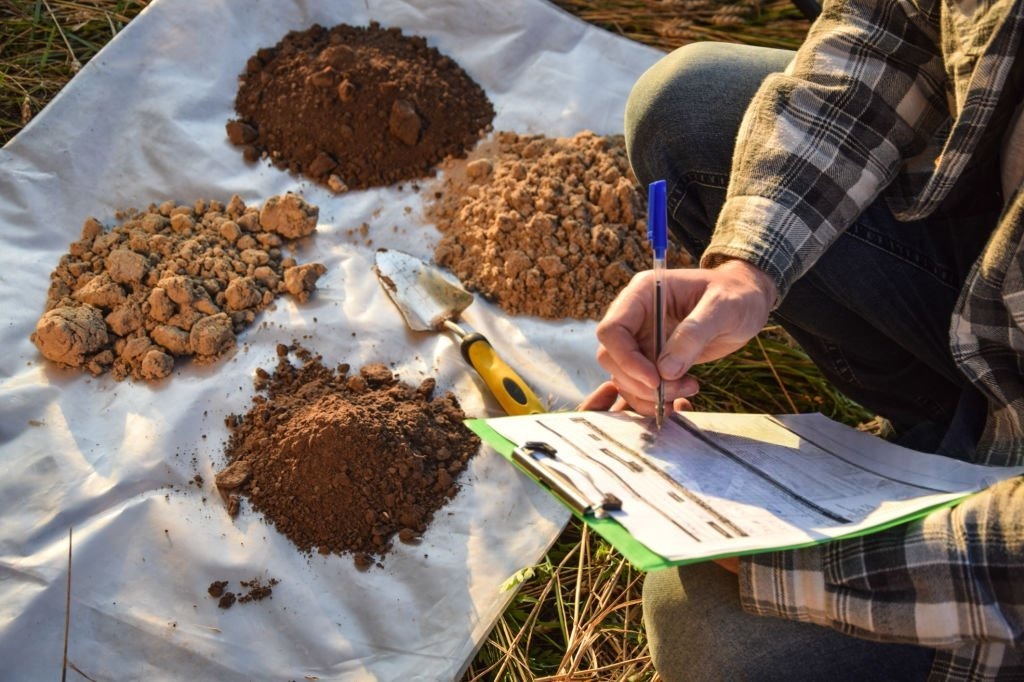
    1. Schedule a Soil Test: Start with a comprehensive soil analysis to determine nutrient levels, pH, and organic matter content.

    2. Interpret Results: Professionals will provide actionable recommendations tailored to your turf type and environmental conditions.

    3. Apply Fertilizer Strategically: Follow a targeted fertilization plan based on soil test results, rather than guesswork.

    4. Monitor and Adjust: Regular pH testing and follow-up soil tests ensure nutrient balance remains optimal throughout the year.

    This step-by-step approach prevents nutrient deficiencies, promotes strong root systems, and supports thick, green turf that is resistant to weeds and disease.

    How Soil Testing Improves Lawn Health

    A well-nourished lawn isn’t just more attractive, it’s more resilient. Benefits of proactive soil testing and nutrient management include:

    • Reduced Weed Pressure: Healthy, dense turf crowds out invasive plants.

    • Improved Drought Resistance: Nutrient-rich soil strengthens root systems, helping grass withstand dry periods.

    • Enhanced Disease Resistance: Balanced nutrients prevent stress-related disease outbreaks.

    • Cost-Effective Fertilization: Apply only what’s necessary, avoiding waste and environmental runoff.

    In coastal Mississippi and Alabama, where seasonal rains and variable temperatures can quickly alter soil composition, ongoing monitoring is key to long-term lawn success.

    Lush green Mississippi yard with healthy, nutrient-rich soil

    DIY vs Professional Soil Testing

    While home test kits are available, they often provide limited data and may lack precision. Professional soil testing offers:

    • Accurate measurement of macro and micronutrients

    • Reliable pH and organic matter analysis

    • Expert recommendations for your lawn type and regional conditions

    Investing in professional soil analysis is a small cost compared to repeated fertilization mistakes or a struggling lawn.

    Seasonal Timing for Soil Testing

    To maximize results, schedule soil tests strategically:

    • Early Spring: Prepare for the growing season by identifying nutrient deficiencies.

    • Late Summer / Early Fall: Address nutrient depletion from summer heat and prepare turf for winter.

    • Regular Intervals: Every 2–3 years for established lawns ensures ongoing soil health.

    By testing at the right time, you ensure fertilizers and amendments are applied effectively, supporting year-round turf vigor.

    Take Action Today: Schedule Your Soil Test

    Your lawn’s health begins below the surface. A proactive approach with professional soil testing in coastal regions, coupled with nutrient management and pH monitoring, keeps your turf thick, green, and resilient.

    Don’t wait until yellowing grass or patchy areas appear. Schedule your soil test today to give your yard the nutrients it needs to thrive.

    👉 Schedule Your Soil Test Today

  • Beyond Green: Understanding the Science of Coastal Mississippi Lawn Care

    Beyond Green: Understanding the Science of Coastal Mississippi Lawn Care

    A healthy lawn is more than just a patch of green. It’s the result of science, strategy, and consistent care. Along the Mississippi and Alabama Gulf Coast, homeowners face unique challenges that make traditional lawn care approaches less effective.  That’s why lawn care in this region requires a data-driven, science-backed approach to ensure vibrant, resilient turf.

    Why Coastal Lawns Need Science-Based Care

    Coastal Mississippi and Alabama lawns are subject to environmental conditions that can stress grass and hinder growth. Factors such as high humidity, sandy soils, and extended growing seasons all impact lawn health in these regions.

    • High humidity and frequent rainfall promote disease and fungal growth.

    • Sandy, nutrient-leaching soils drain essential minerals quickly.

    • Extended growing seasons allow both turf and weeds to grow nearly year-round.

    These challenges mean that a generic lawn care program often falls short. Instead, successful lawn maintenance in this region relies on turf management strategies tailored to local conditions. By understanding the science behind soil, nutrients, and grass biology, homeowners can improve lawn health while reducing chemical overuse.

    Core Principles of Coastal Mississippi Lawn Care

    1. Soil Health and Analysis
      The foundation of a thriving lawn is healthy soil. Conducting soil tests helps determine nutrient levels, pH balance, and organic matter content. Understanding these metrics allows for precise lawn maintenance programs that feed grass what it needs, when it needs it. Science shows that nutrient deficiencies or imbalanced pH levels can weaken turf, leaving it susceptible to disease, weeds, and drought stress.

    2. Targeted Nutrient Management
      Grass requires a balance of macronutrients (nitrogen, phosphorus, potassium) and micronutrients (iron, magnesium, zinc). In coastal areas, sandy soils often wash away nutrients faster than in other regions. Landscaping services that incorporate precise fertilization help maintain optimal nutrient levels, supporting strong root systems and vibrant turf.

    3. Disease and Pest Prevention
      Fungal diseases thrive in humid climates. Regular monitoring, aeration, and proper watering schedules are critical to prevent outbreaks. Turf management programs that integrate preventive fungicides and insect controls reduce stress on the grass while minimizing environmental impact.

    4. Water Management
      Proper irrigation is essential. Coastal Mississippi and Alabama lawns benefit from deep, infrequent watering, which encourages strong root growth and drought resilience. Overwatering, on the other hand, leads to shallow roots, disease, and nutrient runoff. Combining soil moisture monitoring with strategic irrigation improves overall lawn performance.

    5. Grass Selection and Seasonal Care
      Choosing the right turf species is critical. St. Augustine, Bermuda, Zoysia, and Centipede grasses all respond differently to the Gulf Coast environment. Science-backed programs tailor fertilization, mowing, and pest management schedules according to the specific grass type and seasonal growth patterns.

    Integrating Landscaping Services with Lawn Science

    Modern landscaping services go beyond aesthetics by integrating turf science into every decision. From soil testing to targeted fertilization and irrigation management, professional services provide:

    • Data-driven nutrient applications

    • Disease prevention programs

    • Custom mowing and aeration schedules

    • Long-term planning for turf resilience

    These services ensure that the lawn is not only green, but also but sustainable, healthy, and resistant to environmental stressors.

    lawn care coastal mississippi

    Long-Term Lawn Maintenance Strategies

    Maintaining a beautiful coastal lawn in Mississippi or Alabama is a year-round commitment. Science-backed strategies include:

    • Regular soil testing to monitor nutrient levels

    • Aeration and dethatching to improve soil structure and root development

    • Targeted fertilization based on seasonal growth cycles

    • Integrated pest and disease management for preventive care

    • Mowing and irrigation adjustments to match grass type and weather conditions

    This structured approach supports thick, healthy turf while reducing the need for reactive chemical treatments, saving both time and money.

    Take Control of Your Lawn with Science-Backed Programs

    For homeowners in coastal Mississippi and Alabama, achieving a thriving lawn is possible, but it requires expertise and precision. By integrating soil analysis, nutrient management, pest prevention, and proper irrigation, lawns can reach their full potential while reducing environmental impact.

    👉 Explore Our Science-Backed Programs

    Invest in a lawn care plan informed by science, and experience the difference of a coastal Mississippi lawn that is truly beyond green.

  • Stop Weeds Before They Start: A Proactive Guide for Gulf Coast Lawns

    Stop Weeds Before They Start: A Proactive Guide for Gulf Coast Lawns

    Professional applying pre-emergent weed control on coastal Mississippi lawn

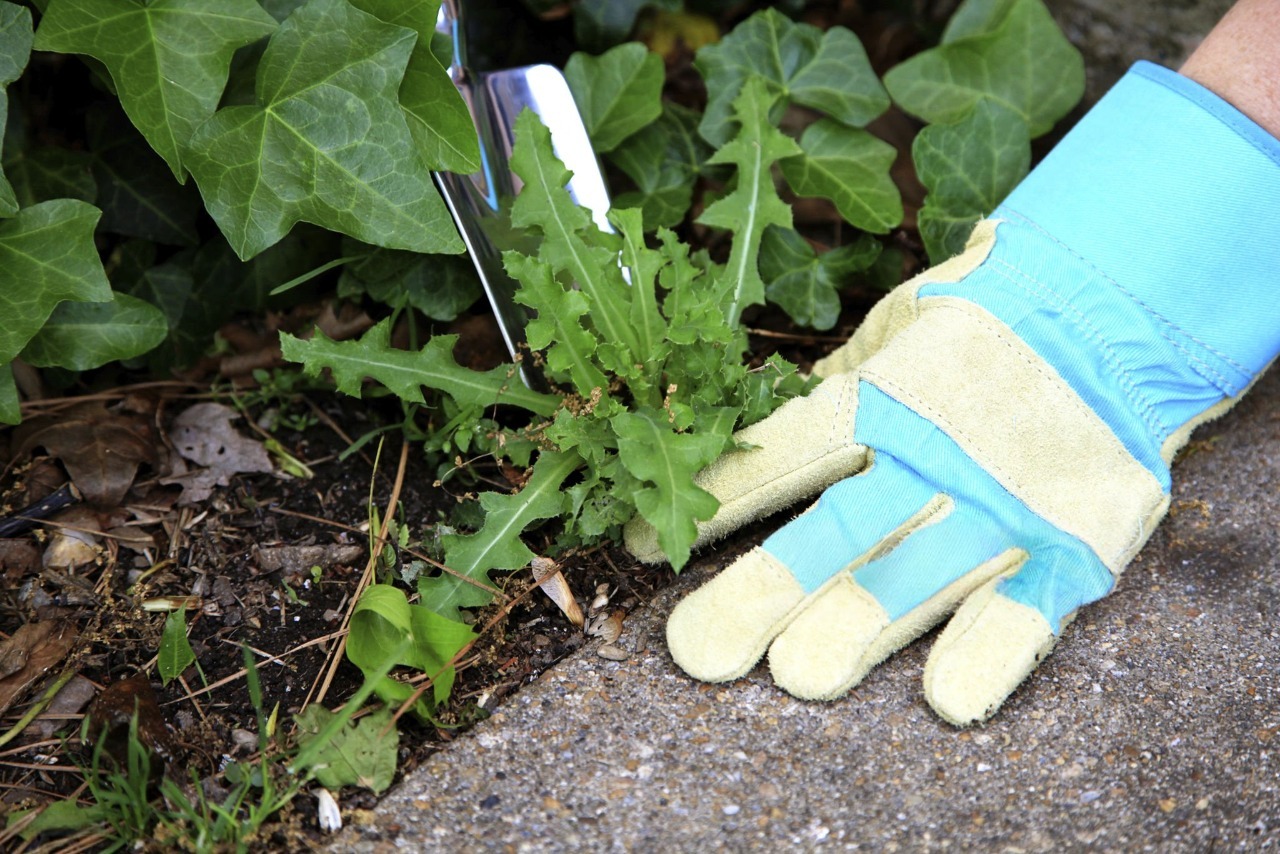
    Weeds don’t appear overnight by accident. Along the Mississippi and Alabama Gulf Coast, warm temperatures, sandy soils, and extended growing seasons create the perfect environment for aggressive weed growth. The key to maintaining a thick, healthy lawn is not reacting after weeds take over. It’s implementing proactive strategies for weed control that stop problems before they spread.

    Why Weed Pressure Is Higher on the Gulf Coast

    Coastal lawns face unique environmental challenges:

    • Long growing seasons

    • High humidity

    • Frequent rainfall

    • Mild winters

    These conditions allow both warm-season and cool-season weeds to germinate throughout the year. Without a structured weed management plan, invasive plants compete with turfgrass for nutrients, water, and sunlight.

    Common Gulf Coast weeds include:

    • Crabgrass

    • Goosegrass

    • Dollarweed

    • Chamberbitter

    • Spurge

    • Annual bluegrass

    Each variety requires specific timing and treatment. That’s why professional weed management focuses on prevention first.

    The Power of Pre-Emergent Weed Control

    If you want to stop weeds before they start, pre-emergent herbicides are essential. These treatments create a barrier in the soil that prevents weed seeds from sprouting. In coastal Mississippi and Alabama, timing matters. Pre-emergent applications are typically scheduled:

    • Late winter or early spring for summer weeds

    • Early fall for winter weeds

    Missing this window allows seeds to germinate, making control more difficult later. Once weeds emerge, post-emergent treatments become necessary. Effective herbicide application depends on proper soil temperature, moisture levels, and grass type. Applying too early or too late reduces effectiveness. That’s why consistent monitoring is critical.

    Post-Emergent Solutions for Active Weed Growth

    When weeds are already visible, targeted post-emergent treatments help eliminate them without damaging desirable turf. However, not all herbicides are created equal. Different grass varieties are common along the Gulf Coast — including St. Augustine, Bermuda, Zoysia, and Centipede. Each variety responds differently to treatments. Using the wrong product or incorrect concentration can stress turf and create additional problems.

    Professional weed control programs identify:

    • Weed type

    • Turf variety

    • Growth stage

    • Environmental conditions

    This approach ensures accurate control while protecting lawn health.

    How Lawn Maintenance Impacts Weed Growth

    Weed prevention is not only about chemicals. Cultural practices play a major role in reducing infestations. Healthy turf naturally crowds out unwanted growth. When grass is thick and strong, weeds struggle to establish roots. Key lawn maintenance practices include:

    • Proper Mowing: Cutting grass too short weakens turf and exposes soil to sunlight, encouraging weed germination. Maintaining correct mowing height improves density.
    • Strategic Irrigation: Overwatering creates shallow roots and encourages certain weed species. Deep, infrequent watering strengthens turfgrass resilience.
    • Balanced Fertilization: Underfed lawns become thin and vulnerable. Overfertilization can stimulate weed growth. A balanced nutrient program supports strong root systems.
    • Soil Health Improvement: Compacted soil restricts airflow and root development. Aeration improves nutrient absorption and enhances overall turf performance. Combining cultural practices with professional weed management creates long-term control rather than short-term suppression.


    Why DIY Weed Control Often Falls Short

    Store-bought herbicides may appear convenient, but improper application can lead to:

    • Turf discoloration

    • Inconsistent results

    • Repeated infestations

    • Environmental runoff issues

    Effective herbicide application requires understanding product selection, timing, and calibration. Without proper diagnosis, homeowners often treat symptoms instead of the root cause. A structured lawn maintenance program considers seasonal patterns unique to coastal Mississippi and Alabama, reducing the need for reactive treatments.

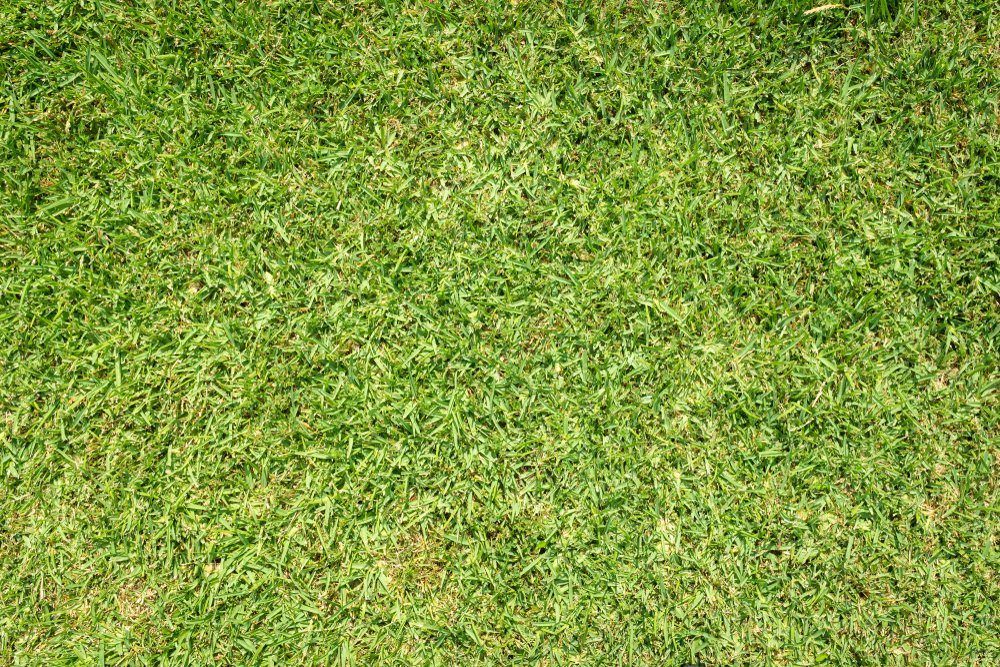
    Dense, healthy turf thriving in coastal Mississippi

    Seasonal Weed Control Timeline for Coastal Mississippi and Alabama

    For optimal weed control, timing follows a predictable cycle:

    Late Winter / Early Spring

    • Apply pre-emergent for summer annual weeds

    • Begin nutrient support program

    Late Spring / Summer

    Early Fall

    • Apply pre-emergent for winter weeds

    • Strengthen turf before cooler temperatures

    Winter

    • Spot treat visible weeds

    • Evaluate lawn density and soil condition

    This year-round strategy prevents seed production and reduces recurring problems.

    Integrated Weed Management for Long-Term Results

    The most effective approach combines:

    • Preventative herbicide barriers

    • Targeted post-emergent treatments

    • Soil health improvement

    • Consistent lawn maintenance

    • Professional monitoring

    Rather than waiting for visible outbreaks, proactive care reduces stress on turf and improves overall lawn appearance. Liqui-Chem Lawn & Shrub Care designs programs specifically for Gulf Coast conditions, helping homeowners maintain thick, healthy turf that resists invasive growth.

    Frequently Asked Questions

    When is the best time for weed control in coastal Mississippi?

    Late winter and early fall are critical for pre-emergent applications. However, monitoring is necessary year-round due to the extended growing season.

    Can weeds return after treatment?

    Yes, if seeds remain in the soil or lawn health declines. Ongoing weed management prevents reinfestation.

    Does fertilization help reduce weeds?

    Healthy, dense turf competes with weeds. Balanced fertilization supports root strength and overall lawn density.

    Take Control Before Weeds Take Over

    Weeds are easier to prevent than eliminate. A proactive strategy combining proper herbicide application, soil improvement, and consistent lawn maintenance keeps Gulf Coast lawns looking clean and healthy throughout the year.

    If you’re ready to protect your coastal turf with a customized weed control program, contact us today for a free lawn survey.

    Early action today leads to a stronger, healthier lawn tomorrow.

  • Decode Your Lawn’s Distress: Common Coastal Mississippi Grass Diseases

    Decode Your Lawn’s Distress: Common Coastal Mississippi Grass Diseases

    Maintaining a vibrant lawn along the Mississippi Gulf Coast can feel challenging. High humidity, frequent rainfall, sandy soils, and warm temperatures create an environment where turfgrass stress develops quickly. When discoloration, thinning, or patchy growth appears, many homeowners are unsure whether the cause is disease, insects, or poor soil conditions. Understanding how these issues develop and applying proven lawn disease management practices helps protect turf health before damage becomes severe.

    Why Coastal Mississippi Lawns Face Higher Disease Pressure

    The coastal climate accelerates fungal growth and pest activity. Extended moisture on grass blades, combined with warm nighttime temperatures, allows pathogens to multiply rapidly. Compacted soil and excessive thatch trap humidity near the surface, weakening turf defenses. Lawns lacking proper nutrients struggle to recover from environmental stress, making them vulnerable to recurring outbreaks.

    Consistent care that focuses on root strength, airflow, and balanced fertility reduces these risks. Professional programs designed for local conditions, such as those provided through custom lawn care treatments, address the unique challenges Gulf Coast lawns face throughout the year.

    Early Detection Through Grass Disease Identification

    Recognizing symptoms early prevents widespread turf loss. Effective grass disease identification starts with observing patterns, timing, and visual clues. Several diseases commonly affect coastal Mississippi lawns:

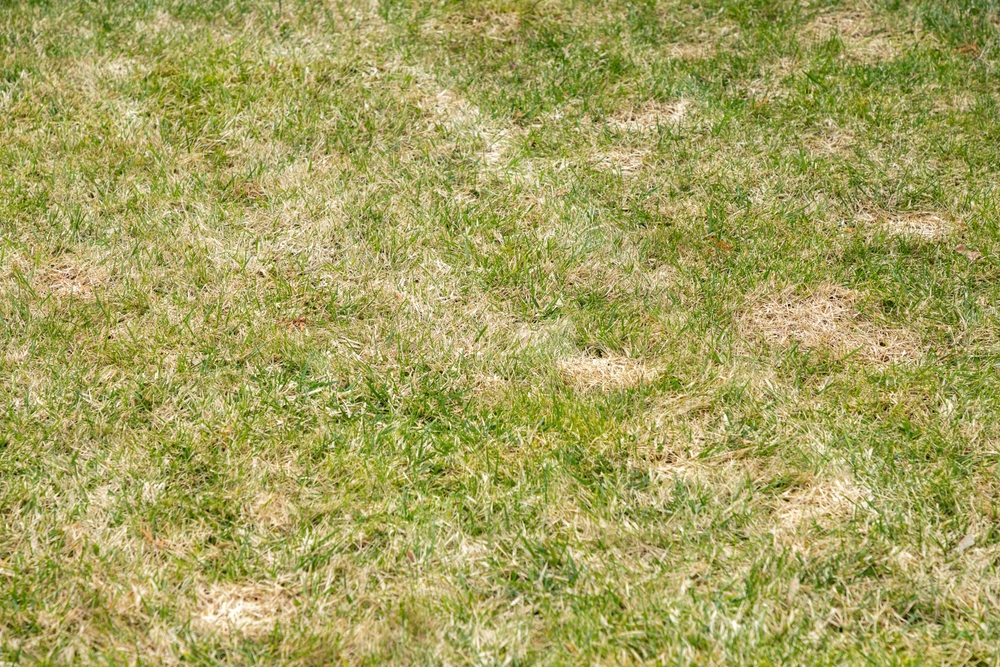
    Brown Patch often appears as circular brown areas surrounded by greener turf. This disease thrives during warm, humid evenings and spreads quickly when lawns remain wet overnight.

    Dollar Spot produces small, silver-colored patches scattered across turf areas. It frequently develops when lawns experience nutrient deficiencies combined with prolonged leaf moisture.

    Gray Leaf Spot creates elongated lesions along grass blades that eventually merge, causing thinning and weakened turf. This disease is common during hot, rainy periods.

    Pythium Blight spreads rapidly in saturated conditions and can destroy large sections of turf within days if left untreated.

    Tracking when symptoms emerge, how fast they spread, and where they occur provides valuable insight for selecting the correct treatment approach.

    When Lawn Pests Imitate Disease Damage

    Not all lawn decline stems from pathogens. Insects often damage turf in ways that resemble fungal problems. Without proper diagnosis, treatments may fail to resolve the underlying issue.

    • Mole crickets tunnel beneath the soil surface, feeding on roots and causing turf to loosen and die back.
    • Armyworms and sod webworms chew grass blades aggressively, leading to sudden browning across large areas.

    Accurate lawn pest control requires identifying both the insect species and the life stage causing damage. Integrated programs that monitor activity and apply targeted solutions prevent infestations from escalating. Liqui-Chem’s approach emphasizes preventative treatments designed to protect turf while minimizing environmental impact.

    The Role of Soil Health Improvement in Disease Prevention

    Healthy turf begins below the surface. Soil health improvement plays a critical role in preventing disease and supporting recovery after stress. Compacted or nutrient-poor soil restricts root development, limiting the lawn’s ability to absorb water and essential elements.

    Key soil-focused practices include:

    • Core aeration to relieve compaction and improve oxygen flow

    • Dethatching to reduce moisture retention near grass blades

    • Balanced fertilization to support consistent growth without overstimulation

    When soil conditions improve, grass develops deeper roots and thicker coverage, naturally suppressing disease development. Cultural methods that support long-term soil quality are a cornerstone of sustainable lawn care programs.

    Integrated Lawn Disease Management Strategies

    Successful lawn disease management combines preventative habits with responsive treatments. Rather than reacting only after symptoms appear, homeowners benefit most from a proactive plan that reduces disease pressure year-round.

    Best practices include:

    • Mowing at proper height to reduce stress and improve airflow

    • Watering early in the day so blades dry quickly

    • Avoiding excessive nitrogen during peak disease seasons

    • Selecting turf varieties suited to coastal environments

    • Monitoring lawn conditions weekly for subtle changes

    When disease pressure increases, professional applications can interrupt pathogen development while preserving turf safety. Programs designed specifically for Gulf Coast lawns account for seasonal risks and environmental conditions.

    Why Local Expertise Matters

    National lawn care recommendations often fail to address regional variables. Coastal Mississippi lawns experience higher humidity, greater salt exposure, and more storm-related stress than inland areas. Working with a provider that understands local conditions ensures treatments align with real-world challenges.

    A healthy lawn resists disease naturally. When turf receives proper nutrition, balanced moisture, and consistent monitoring, it recovers faster from stress and maintains dense growth that crowds out pathogens. Pairing homeowner best practices with professional guidance creates a sustainable strategy for lasting lawn health.

    Liqui-Chem Lawn & Shrub Care has decades of experience serving Gulf Coast communities, offering customized programs based on soil composition, grass type, and seasonal conditions. Our team focuses on preventative solutions rather than one-size-fits-all treatments

  • Choosing the Right Green: Best Grass Types for Coastal Mississippi & Alabama

    Choosing the Right Green: Best Grass Types for Coastal Mississippi & Alabama

    Living along the Gulf Coast comes with incredible views, warm weather, and long growing seasons — but it also presents unique challenges for lawns. High humidity, sandy soils, salt exposure, intense summer heat, and heavy rainfall can quickly stress turf that isn’t suited for coastal conditions.

    Choosing the right grass type is one of the most important steps toward a healthy, resilient lawn in coastal Mississippi and Alabama. The right choice reduces maintenance, improves durability, and helps your lawn recover faster from environmental stress.

    Below, we break down the most common grass types used in coastal areas — and what makes them succeed (or struggle).

    What Makes Coastal Lawns Different?

    Before choosing a grass variety, it’s important to understand what your lawn is up against:

    • Salt exposure from coastal air and occasional flooding

    • Sandy or compacted soils with limited nutrient retention

    • High humidity, increasing disease pressure

    • Periods of drought followed by heavy rainfall

    • Mixed sun and shade depending on trees and structures

    Grass that thrives inland may fail quickly along the coast. That’s why salt tolerance, drought resistance, and recovery ability matter more than appearance alone.

    St. Augustine Grass: A Popular Coastal Choice

    St. Augustine grass in coastal Mississippi and Alabama

    St. Augustine grass is one of the most widely used grass types along the Mississippi and Alabama coastlines — and for good reason.

    Why It Works Well

    • Good salt tolerance

    • Performs well in partial shade

    • Dense growth helps crowd out weeds

    Considerations

    • Requires consistent fertilization

    • More susceptible to insects and disease if stressed

    • Benefits from professional care and monitoring

    St. Augustine lawns look great when managed properly, but they need the right balance of nutrients, water, and pest control to stay healthy in coastal environments.

    Centipede Grass: Low Maintenance, With Limits

    A close up of green grass with small leaves

    Centipede grass is often chosen for its lower maintenance requirements and slower growth.

    Why It Works Well

    • Requires less fertilizer than many grass types

    • Performs well in acidic soils

    • Soft texture with a uniform appearance

    Considerations

    • Poor tolerance for heavy foot traffic

    • Sensitive to over-fertilization

    • Can struggle in poorly drained areas

    Centipede grass can be a good option for homeowners seeking a simpler lawn, but it still requires proper soil conditions and careful nutrient management.

    Bermuda Grass: Durable and Sun-Loving

    Bermuda grass in coastal Mississippi and Alabama

    Bermuda grass is known for its toughness and ability to recover quickly from damage.

    Why It Works Well

    • Excellent drought resistance

    • Strong tolerance for heat and traffic

    • Rapid growth and recovery

    Considerations

    • Requires full sun

    • Can spread aggressively into beds and landscaped areas

    • Needs regular mowing to maintain appearance

    For open, sunny properties along the coast, Bermuda grass offers durability and resilience — especially in high-use areas.

    Zoysia Grass: Dense and Heat-Tolerant

    Zoysia grass combines many desirable traits, making it a strong contender for coastal lawns.

    Why It Works Well

    • Dense growth reduces weed pressure

    • Handles heat and drought well

    • Creates a thick, carpet-like lawn

    Considerations

    • Slower establishment

    • Higher upfront cost

    • Requires proper mowing and fertilization schedules

    Zoysia lawns reward patience with long-term durability and strong visual appeal when properly maintained.

    Native and Salt-Tolerant Grasses: A Smart Coastal Strategy

    Native grasses and regionally adapted varieties are gaining popularity for coastal lawns due to their natural resilience.

    Benefits of Native and Salt-Tolerant Grasses

    • Better adaptation to local soil and climate conditions

    • Reduced fertilizer and water needs

    • Improved tolerance to salt exposure and moisture fluctuations

    While native grasses may not fit every residential lawn aesthetic, they can be an excellent option for properties closer to the coast or areas with persistent environmental stress.

    Choosing the Right Grass Starts With the Right Evaluation

    There is no single “best” grass for every coastal lawn. The right choice depends on:

    • Soil composition and drainage

    • Sun and shade patterns

    • Salt exposure levels

    • Lawn usage and traffic

    • Maintenance preferences

    At Liqui-Chem, we take a knowledge-based approach to grass selection. Soil testing and site evaluation help ensure that the grass you choose has the best chance to thrive — not just survive.

    Set Your Lawn Up for Long-Term Success

    A healthy coastal lawn starts with the right foundation. Choosing a grass type that matches your environment reduces stress, improves resilience, and makes every other aspect of lawn care more effective.

  • What’s Eating Your Lawn? Identifying & Treating Common Coastal Pests

    What’s Eating Your Lawn? Identifying & Treating Common Coastal Pests

    If you live along the Mississippi or Alabama Gulf Coast, you already know that your lawn faces challenges homeowners in other regions don’t. Warm temperatures, high humidity, and mild winters create the perfect environment for lawn pests to thrive year-round. If you’re noticing thinning grass, irregular brown patches, or increased insect activity, pests may be the culprit.

    Some of the most common lawn pests in coastal Mississippi and Alabama include chinch bugs, sod webworms, armyworms, mole crickets, and grubs. Each pest damages turf differently, but the result is often the same: weakened roots, stressed grass, and areas that struggle to recover.

    Common Lawn Pests Along the Mississippi and Alabama Coasts

    1) Chinch Bugs

    Chinch bugs are one of the most destructive lawn pests in coastal Mississippi, especially in St. Augustine and centipede grass. These tiny insects feed by piercing grass blades and sucking out plant fluids, while also injecting toxins that block the grass’s ability to absorb water.

    Damage Caused by Chinch Bugs

    Chinch bugs damage lawns at the root and blade level, weakening turf until it can no longer recover. Because their feeding disrupts water uptake, affected areas often look drought-stressed even when irrigation is adequate.

    What Chinch Bug Damage Looks Like On Your Lawn

    • Irregular yellow or brown patches that continue to spread

    • Grass that looks dry and brittle despite watering

    • Damage that starts in sun-exposed areas and expands outward

    • Areas that do not recover with watering or fertilization

    Chinch bug damage is often mistaken for heat or drought stress, which allows infestations to worsen if left untreated.

    2) Armyworms

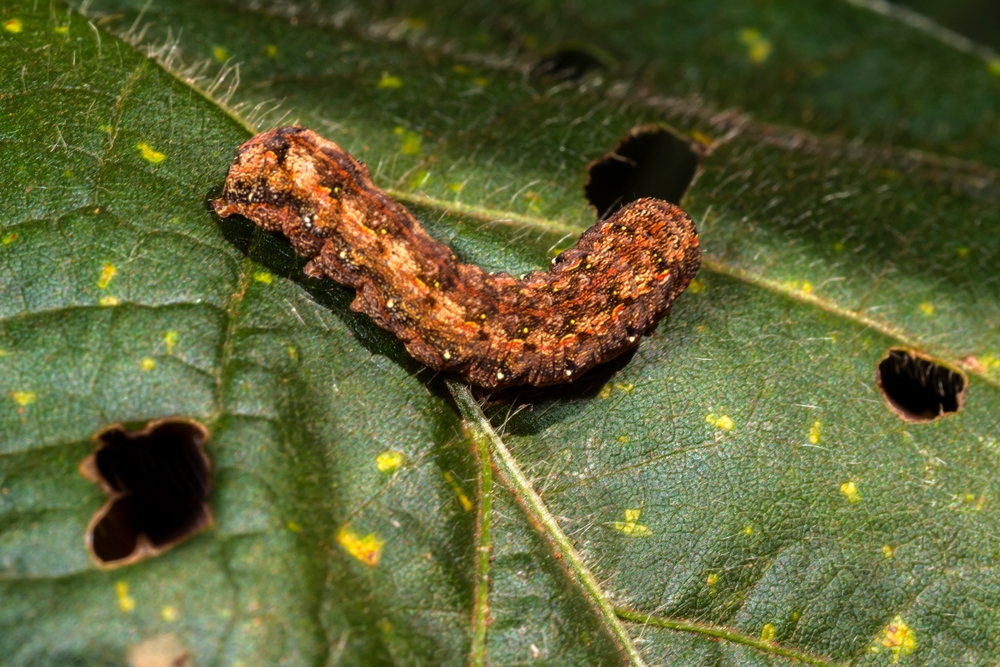
    Armyworms are fast-moving caterpillars that can cause severe lawn damage in a very short amount of time. They are most active during warm, humid periods and can appear seemingly overnight.

    Damage Caused by Armyworms

    Armyworms feed aggressively on grass blades, stripping turf down to the soil surface. Large infestations can destroy significant portions of a lawn within days if not addressed quickly.

    What Armyworm Damage Looks Like on Your Lawn

    • Grass that appears chewed or scalped

    • Sudden thinning or bare patches

    • Damage that spreads rapidly across the lawn

    • Increased bird activity as birds feed on the worms

    Because of how quickly armyworms feed, early detection is critical to prevent widespread damage.

    3) Sod Webworms

    Sod webworms are the larvae of small moths and are a common pest in coastal turfgrass. Unlike armyworms, sod webworms feed primarily at night, making them harder to spot during the day.

    Damage Caused by Sod Webworms

    Sod webworms chew grass blades near the surface, weakening turf and reducing its ability to photosynthesize properly. Over time, this leads to thinning grass and increased vulnerability to weeds and disease.

    What Sod Webworm Damage Looks Like on Your Lawn

    • Small brown patches that gradually enlarge

    • Grass that appears ragged or notched

    • Thinning turf rather than complete bare spots

    • Moths flying low over the lawn at dusk

    Webworm damage is often subtle at first but can become extensive if left untreated.

    4) Mole Crickets

    Mole crickets are burrowing insects that cause damage both above and below the soil surface. They are especially problematic in sandy coastal soils where tunneling is easier.

    Damage Caused By Mole Crickets

    Mole crickets damage lawns in two ways: by feeding on roots and shoots, and by tunneling through soil, which disrupts root systems and dries out turf.

    What Mole Cricket Damage Looks Like on Your Lawn

    • Raised tunnels or ridges in the soil

    • Spongy or uneven turf when walked on

    • Grass that pulls up easily due to root damage

    • Irregular dead patches that worsen over time

    Because mole crickets live below the surface, damage often continues unnoticed until turf decline becomes severe.

    Why Professional Pest Identification Matters

    Many lawn pests cause similar symptoms, but require very different treatments. Misidentifying the pest can lead to ineffective control, wasted money, and ongoing damage.

    At Liqui-Chem, we use targeted pest control strategies based on proper identification, seasonal timing, and environmental conditions — ensuring effective results without unnecessary treatments.

    Schedule a Lawn Pest Inspection to protect your lawn from common coastal pests before damage becomes permanent.

  • Extreme Heat & Drought Stress

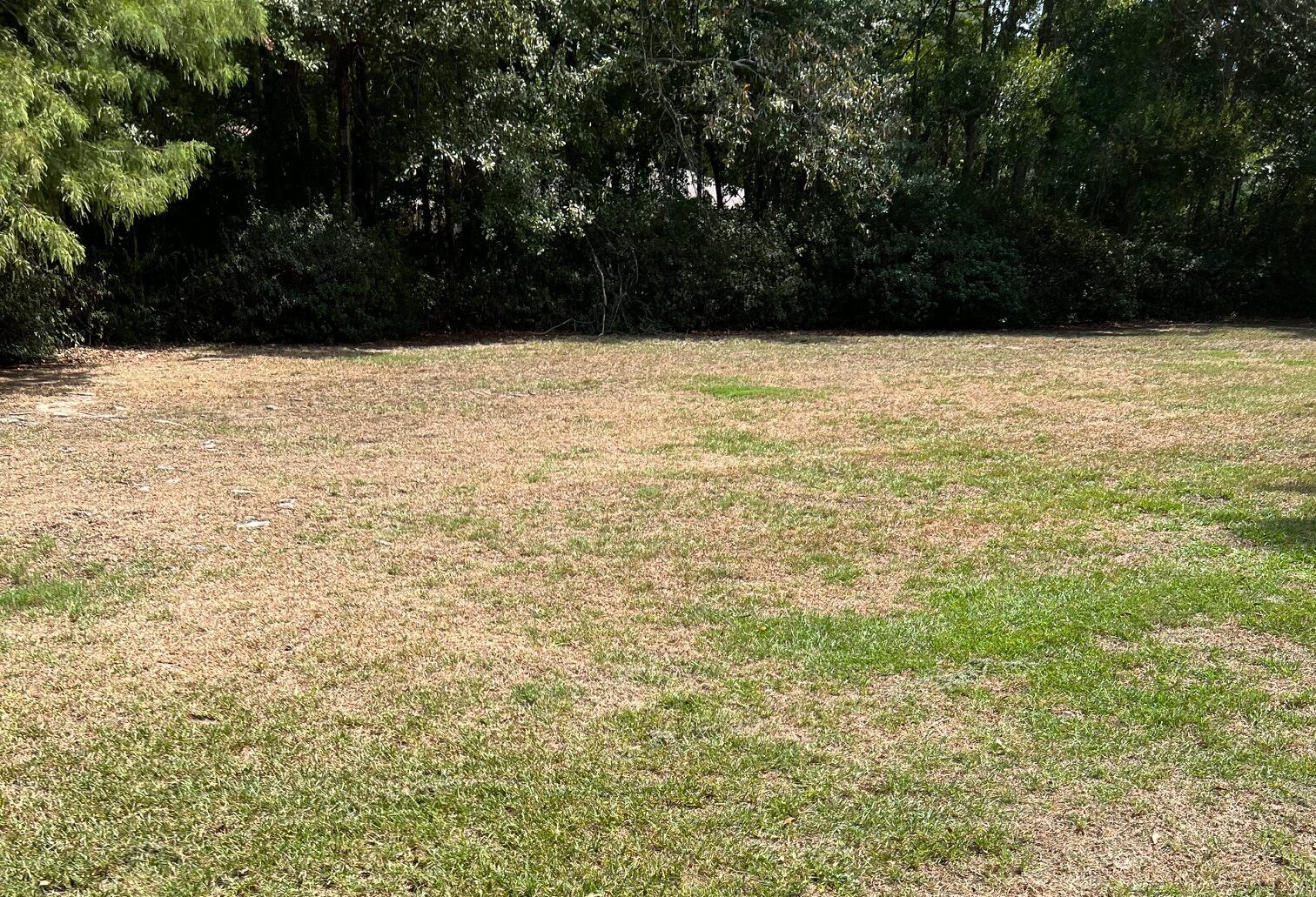
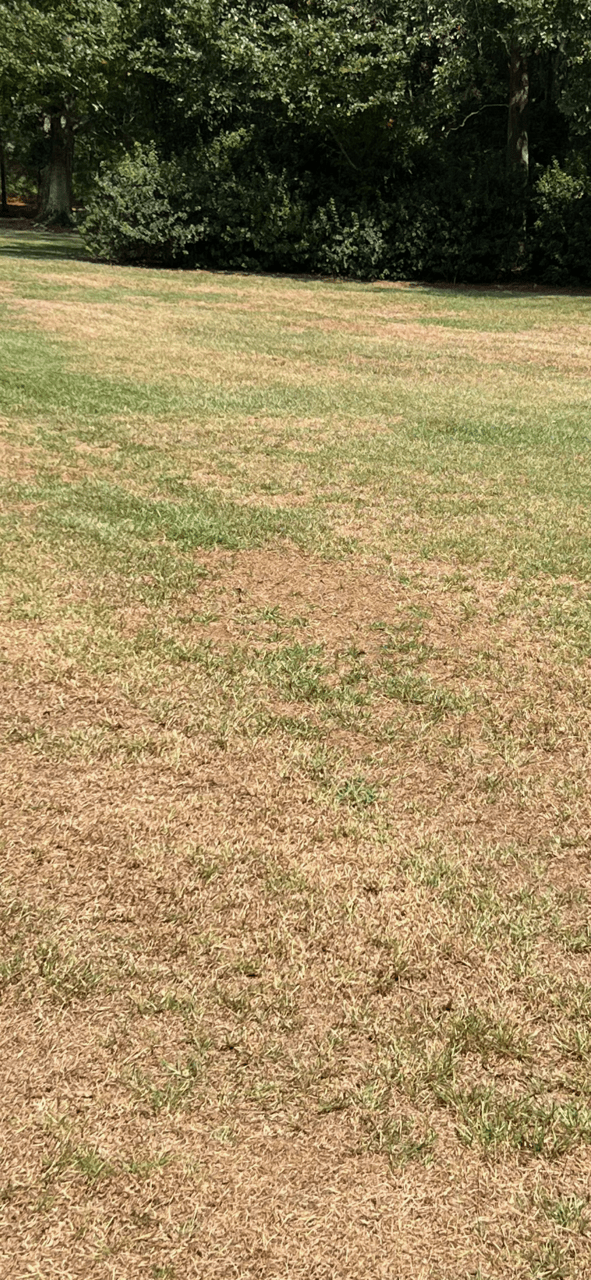
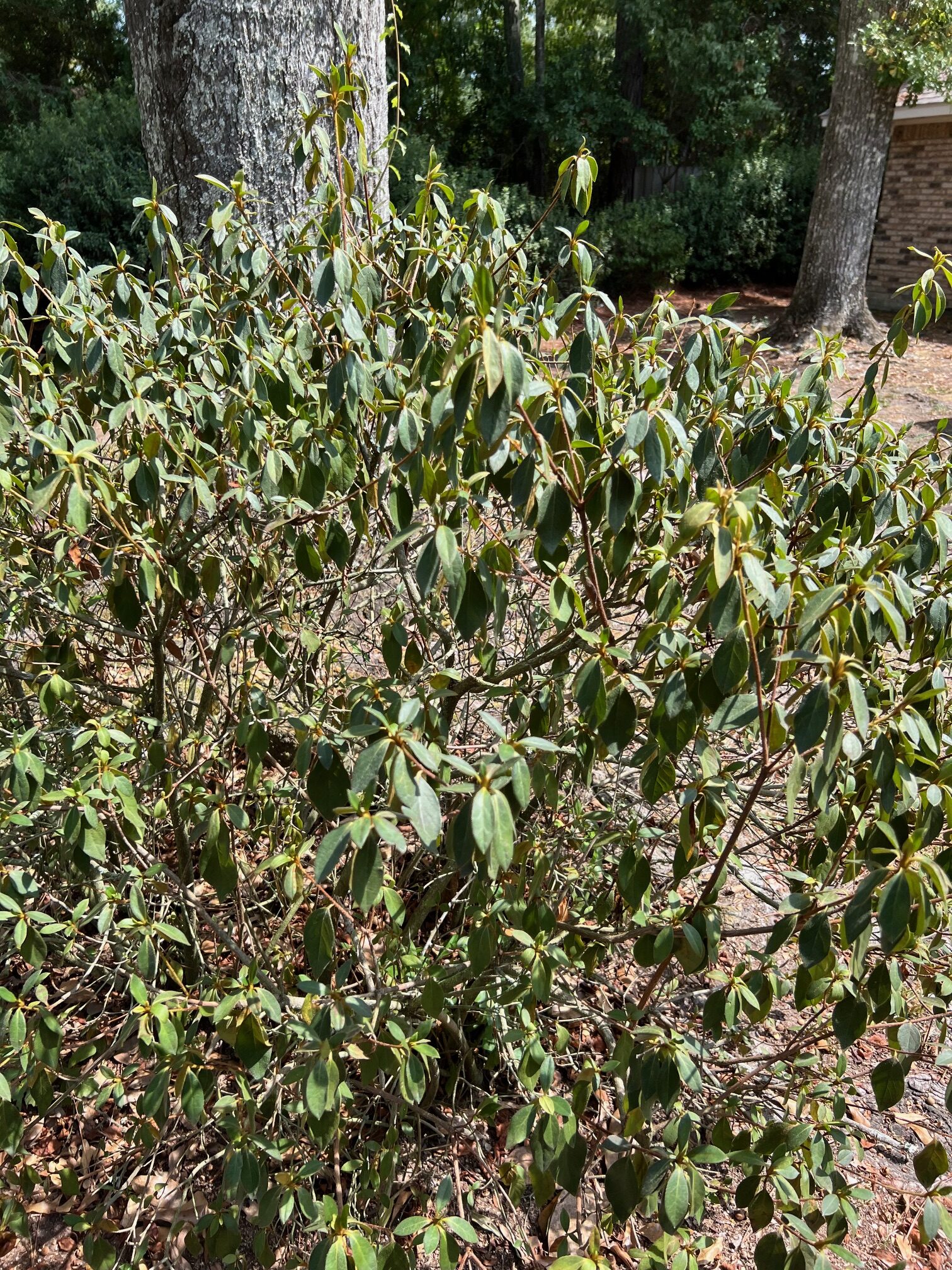
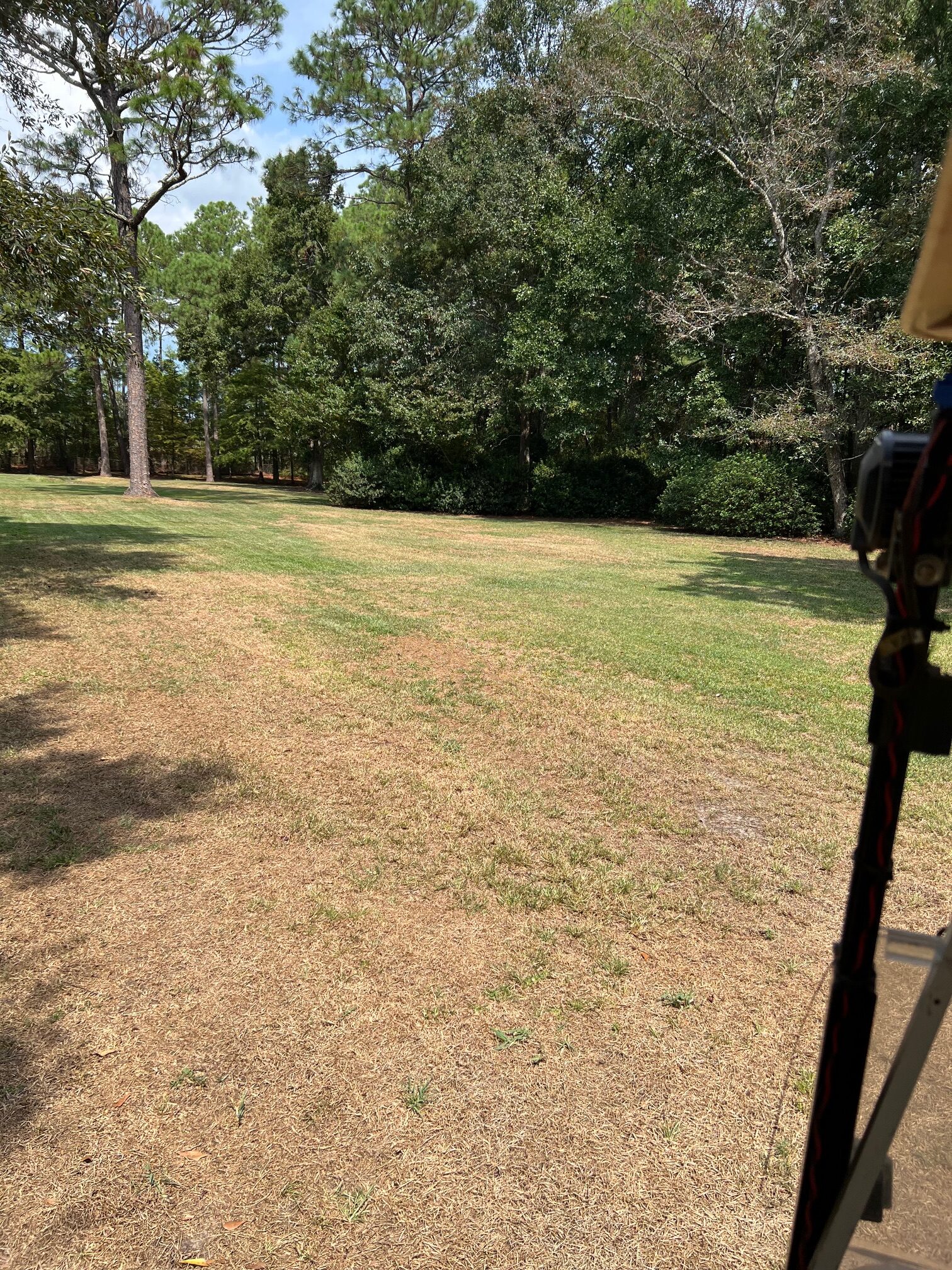
    Extreme Heat & Drought Stress

    Occasionally we have extreme heat and drought stress that will cause the lawns to turn brown. Normally we recommend not raking out the brown areas as they will re-grow after adequate rainfall or irrigation. To break the drought we recommend to irrigate with a sprinkler and let it run all night in each area of the lawn. In 2023 this stress is so severe that some of these areas of extreme desiccation of the grass is so bad that it may not survive. Please follow the recommendations above to break the drought stress.