
If you live along the Mississippi or Alabama Gulf Coast, you already know that your lawn faces challenges homeowners in other regions don’t. Warm temperatures, high humidity, and mild winters create the perfect environment for lawn pests to thrive year-round. If you’re noticing thinning grass, irregular brown patches, or increased insect activity, pests may be the culprit.
Some of the most common lawn pests in coastal Mississippi and Alabama include chinch bugs, sod webworms, armyworms, mole crickets, and grubs. Each pest damages turf differently, but the result is often the same: weakened roots, stressed grass, and areas that struggle to recover.
Common Lawn Pests Along the Mississippi and Alabama Coasts
1) Chinch Bugs
Chinch bugs are one of the most destructive lawn pests in coastal Mississippi, especially in St. Augustine and centipede grass. These tiny insects feed by piercing grass blades and sucking out plant fluids, while also injecting toxins that block the grass’s ability to absorb water.
Damage Caused by Chinch Bugs
Chinch bugs damage lawns at the root and blade level, weakening turf until it can no longer recover. Because their feeding disrupts water uptake, affected areas often look drought-stressed even when irrigation is adequate.
What Chinch Bug Damage Looks Like On Your Lawn
-
Irregular yellow or brown patches that continue to spread
-
Grass that looks dry and brittle despite watering
-
Damage that starts in sun-exposed areas and expands outward
-
Areas that do not recover with watering or fertilization
Chinch bug damage is often mistaken for heat or drought stress, which allows infestations to worsen if left untreated.
2) Armyworms
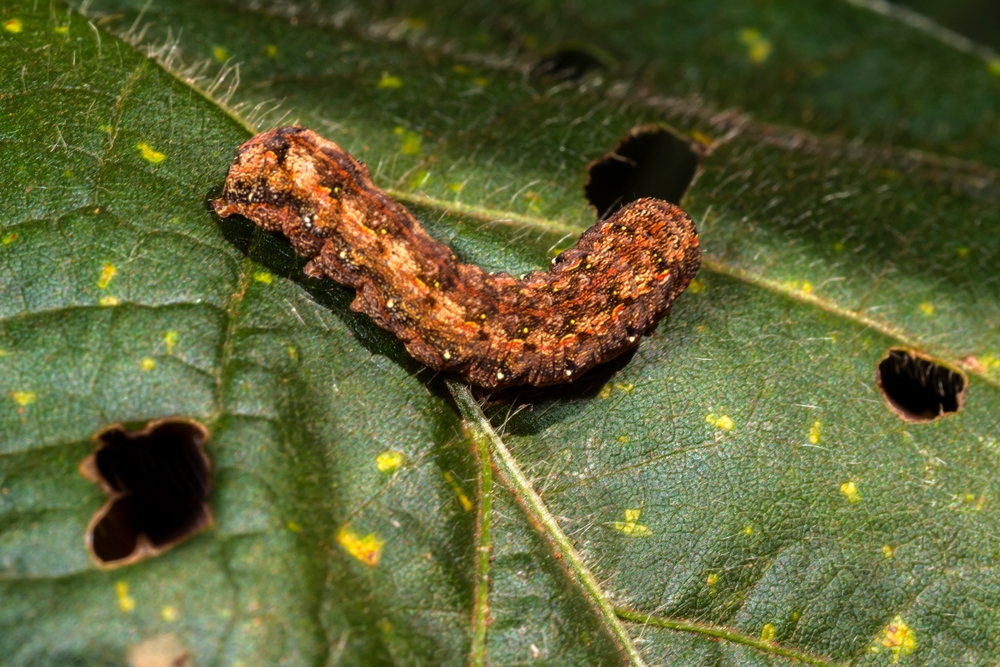
Armyworms are fast-moving caterpillars that can cause severe lawn damage in a very short amount of time. They are most active during warm, humid periods and can appear seemingly overnight.
Damage Caused by Armyworms
Armyworms feed aggressively on grass blades, stripping turf down to the soil surface. Large infestations can destroy significant portions of a lawn within days if not addressed quickly.
What Armyworm Damage Looks Like on Your Lawn
-
Grass that appears chewed or scalped
-
Sudden thinning or bare patches
-
Damage that spreads rapidly across the lawn
-
Increased bird activity as birds feed on the worms
Because of how quickly armyworms feed, early detection is critical to prevent widespread damage.
3) Sod Webworms
Sod webworms are the larvae of small moths and are a common pest in coastal turfgrass. Unlike armyworms, sod webworms feed primarily at night, making them harder to spot during the day.
Damage Caused by Sod Webworms
Sod webworms chew grass blades near the surface, weakening turf and reducing its ability to photosynthesize properly. Over time, this leads to thinning grass and increased vulnerability to weeds and disease.
What Sod Webworm Damage Looks Like on Your Lawn
-
Small brown patches that gradually enlarge
-
Grass that appears ragged or notched
-
Thinning turf rather than complete bare spots
-
Moths flying low over the lawn at dusk
Webworm damage is often subtle at first but can become extensive if left untreated.
4) Mole Crickets
Mole crickets are burrowing insects that cause damage both above and below the soil surface. They are especially problematic in sandy coastal soils where tunneling is easier.
Damage Caused By Mole Crickets
Mole crickets damage lawns in two ways: by feeding on roots and shoots, and by tunneling through soil, which disrupts root systems and dries out turf.
What Mole Cricket Damage Looks Like on Your Lawn
-
Raised tunnels or ridges in the soil
-
Spongy or uneven turf when walked on
-
Grass that pulls up easily due to root damage
-
Irregular dead patches that worsen over time
Because mole crickets live below the surface, damage often continues unnoticed until turf decline becomes severe.
Why Professional Pest Identification Matters
Many lawn pests cause similar symptoms, but require very different treatments. Misidentifying the pest can lead to ineffective control, wasted money, and ongoing damage.
At Liqui-Chem, we use targeted pest control strategies based on proper identification, seasonal timing, and environmental conditions — ensuring effective results without unnecessary treatments.
Schedule a Lawn Pest Inspection to protect your lawn from common coastal pests before damage becomes permanent.