Living along the Gulf Coast comes with incredible views, warm weather, and long growing seasons — but it also presents unique challenges for lawns. High humidity, sandy soils, salt exposure, intense summer heat, and heavy rainfall can quickly stress turf that isn’t suited for coastal conditions.
Choosing the right grass type is one of the most important steps toward a healthy, resilient lawn in coastal Mississippi and Alabama. The right choice reduces maintenance, improves durability, and helps your lawn recover faster from environmental stress.
Below, we break down the most common grass types used in coastal areas — and what makes them succeed (or struggle).
What Makes Coastal Lawns Different?
Before choosing a grass variety, it’s important to understand what your lawn is up against:
-
Salt exposure from coastal air and occasional flooding
-
Sandy or compacted soils with limited nutrient retention
-
High humidity, increasing disease pressure
-
Periods of drought followed by heavy rainfall
-
Mixed sun and shade depending on trees and structures
Grass that thrives inland may fail quickly along the coast. That’s why salt tolerance, drought resistance, and recovery ability matter more than appearance alone.
St. Augustine Grass: A Popular Coastal Choice
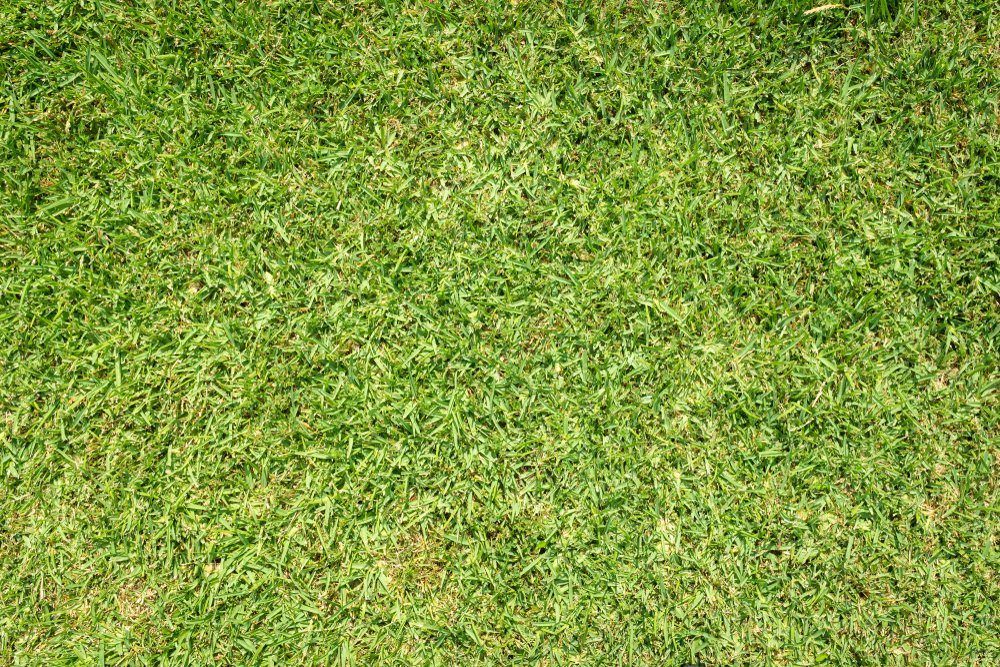
St. Augustine grass is one of the most widely used grass types along the Mississippi and Alabama coastlines — and for good reason.
Why It Works Well
-
Good salt tolerance
-
Performs well in partial shade
-
Dense growth helps crowd out weeds
Considerations
-
Requires consistent fertilization
-
More susceptible to insects and disease if stressed
-
Benefits from professional care and monitoring
St. Augustine lawns look great when managed properly, but they need the right balance of nutrients, water, and pest control to stay healthy in coastal environments.
Centipede Grass: Low Maintenance, With Limits
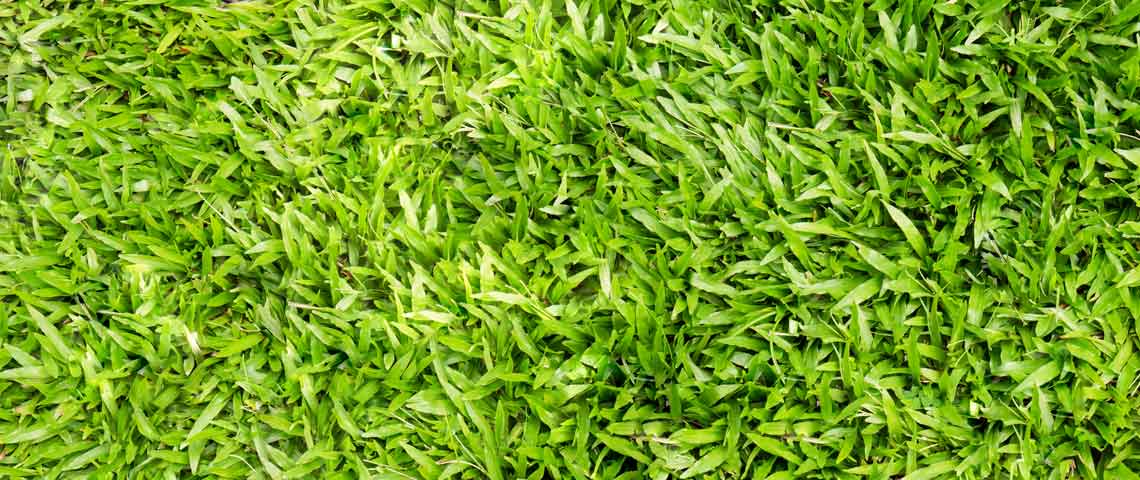
Centipede grass is often chosen for its lower maintenance requirements and slower growth.
Why It Works Well
-
Requires less fertilizer than many grass types
-
Performs well in acidic soils
-
Soft texture with a uniform appearance
Considerations
-
Poor tolerance for heavy foot traffic
-
Sensitive to over-fertilization
-
Can struggle in poorly drained areas
Centipede grass can be a good option for homeowners seeking a simpler lawn, but it still requires proper soil conditions and careful nutrient management.
Bermuda Grass: Durable and Sun-Loving
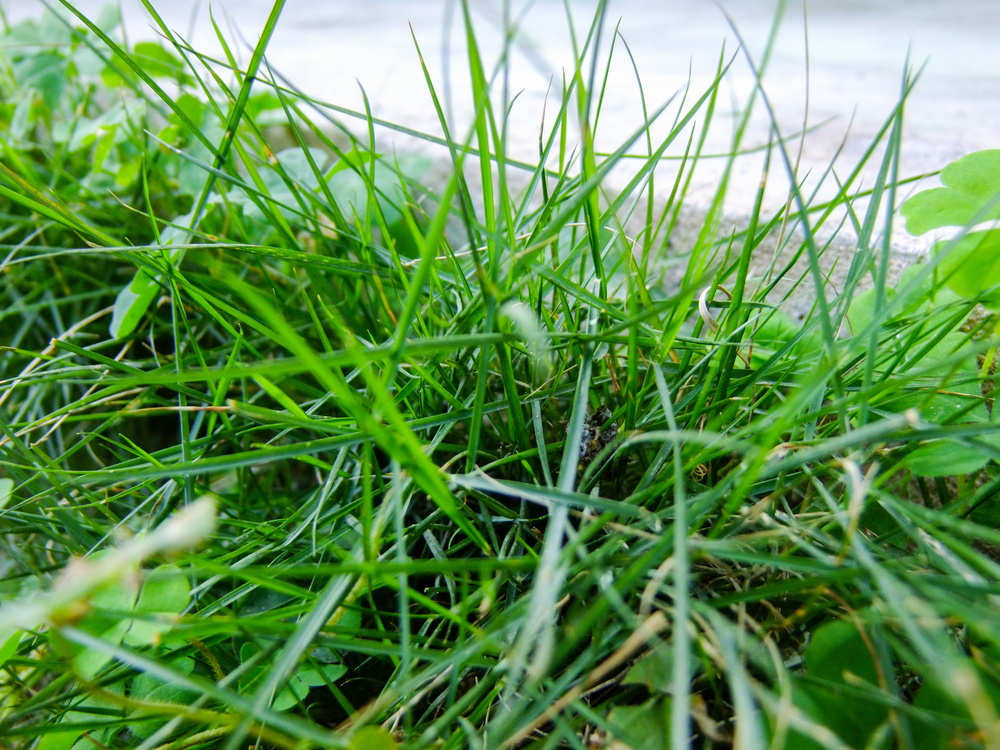
Bermuda grass is known for its toughness and ability to recover quickly from damage.
Why It Works Well
-
Excellent drought resistance
-
Strong tolerance for heat and traffic
-
Rapid growth and recovery
Considerations
-
Requires full sun
-
Can spread aggressively into beds and landscaped areas
-
Needs regular mowing to maintain appearance
For open, sunny properties along the coast, Bermuda grass offers durability and resilience — especially in high-use areas.
Zoysia Grass: Dense and Heat-Tolerant
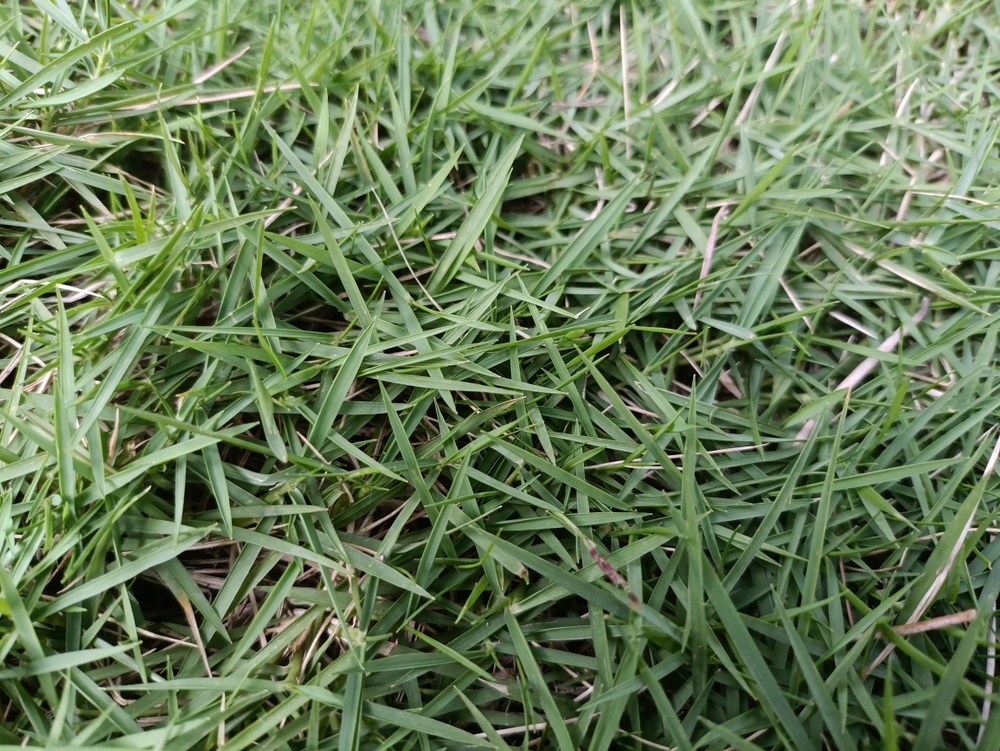
Zoysia grass combines many desirable traits, making it a strong contender for coastal lawns.
Why It Works Well
-
Dense growth reduces weed pressure
-
Handles heat and drought well
-
Creates a thick, carpet-like lawn
Considerations
-
Slower establishment
-
Higher upfront cost
-
Requires proper mowing and fertilization schedules
Zoysia lawns reward patience with long-term durability and strong visual appeal when properly maintained.
Native and Salt-Tolerant Grasses: A Smart Coastal Strategy
Native grasses and regionally adapted varieties are gaining popularity for coastal lawns due to their natural resilience.
Benefits of Native and Salt-Tolerant Grasses
-
Better adaptation to local soil and climate conditions
-
Reduced fertilizer and water needs
-
Improved tolerance to salt exposure and moisture fluctuations
While native grasses may not fit every residential lawn aesthetic, they can be an excellent option for properties closer to the coast or areas with persistent environmental stress.
Choosing the Right Grass Starts With the Right Evaluation
There is no single “best” grass for every coastal lawn. The right choice depends on:
-
Soil composition and drainage
-
Sun and shade patterns
-
Salt exposure levels
-
Lawn usage and traffic
-
Maintenance preferences
At Liqui-Chem, we take a knowledge-based approach to grass selection. Soil testing and site evaluation help ensure that the grass you choose has the best chance to thrive — not just survive.
Set Your Lawn Up for Long-Term Success
A healthy coastal lawn starts with the right foundation. Choosing a grass type that matches your environment reduces stress, improves resilience, and makes every other aspect of lawn care more effective.