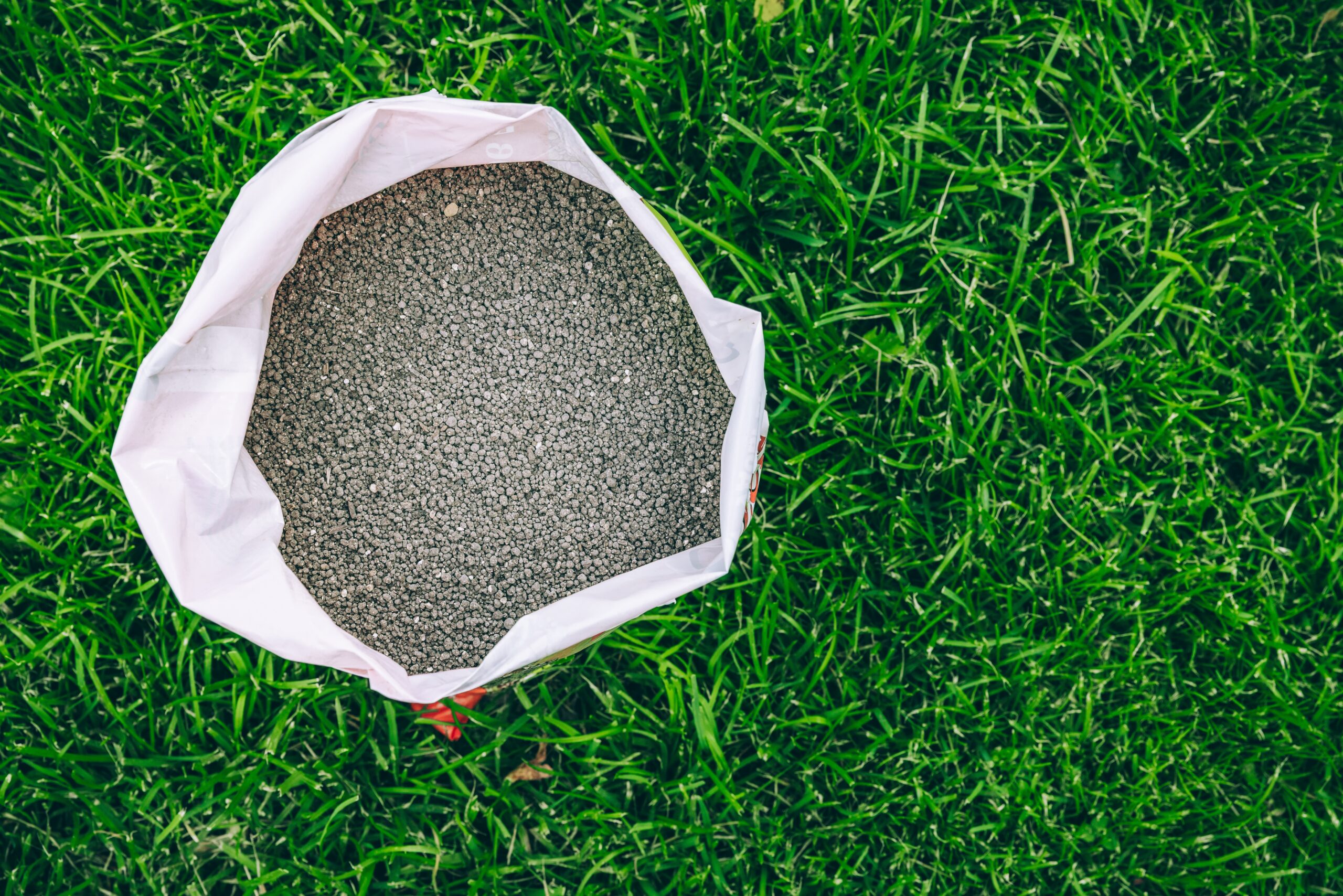
Fertilizing your lawn isn’t just about applying nutrients. Proper fertilization is also about applying nutrients at the right time. Along the Gulf Coast, where warm temperatures, high humidity, and unpredictable rainfall shape growing conditions, timing plays a critical role in achieving consistent, healthy turf.
If you’ve ever wondered about the best time to fertilize in coastal Mississippi, the answer isn’t a single date. Rather, it’s a seasonal strategy built around your lawn’s natural growth cycles.
🌱 Quick Coastal Fertilization Timeline
For homeowners along the Gulf Coast, here’s a simple seasonal guideline to follow:
- April–May: First application after full green-up
- June–July: Support active growth and density
- August–September: Strengthen roots before fall
- Winter: No fertilization — focus on monitoring
This timeline provides a strong foundation, but keep in mind that soil conditions, grass type, and weather patterns can shift the ideal schedule slightly.
Why Timing Matters More Along the Coast
Coastal lawns face unique environmental pressures, including:
- Extended growing seasons
- Heavy rainfall and nutrient runoff
- Sandy or compacted soils
- Increased pest and disease activity
Applying fertilizer at the wrong time can lead to wasted nutrients, weak growth, and increased vulnerability to weeds and pests. A well-timed fertilization program supports optimal growth, strengthens root systems, and helps your lawn recover from seasonal stress.
Early Spring: Setting the Foundation
As temperatures begin to warm and lawns come out of dormancy, early spring is the time to prepare your turf for the growing season ahead.
What Your Lawn Needs:
- Balanced nutrients to encourage healthy green-up
- Support for root development after winter stress
Avoid fertilizing too early. Applying nutrients before the lawn has fully greened up can lead to poor uptake and unnecessary runoff. Instead, wait until consistent growth begins.
Late Spring: Fueling Active Growth
Late spring is one of the most important windows in your seasonal fertilization schedule.
What Your Lawn Needs
- Nitrogen for strong blade growth
- Continued support for root expansion
This is when lawns build density, helping naturally suppress weeds and improve overall health.
Summer: Supporting Strength Under Stress
Summers along the Gulf Coast bring heat, humidity, and increased stress on turf.
What Your Lawn Needs
- Controlled nutrient applications
- Support for stress tolerance and recovery
Avoid heavy fertilization during peak heat, especially without consistent irrigation or during drought conditions.
Early Fall: Recovery and Root Development
As temperatures cool, lawns shift focus to root growth.
What Your Lawn Needs
- Nutrients that strengthen roots
- Recovery support after summer stress
Fall fertilization helps prepare your lawn for long-term health and a stronger return in spring.
Winter: Minimal Growth, Maximum Planning
While coastal lawns may not fully go dormant, growth slows significantly.
What Your Lawn Needs
- Minimal or no fertilization
- Monitoring for disease or drainage issues
A Smarter Approach to Fertilization
There’s no one-size-fits-all schedule for coastal lawns. The best time to fertilize in coastal Mississippi depends on:
- Grass type
- Soil composition
- Sun exposure
- Drainage patterns
- Seasonal weather
At Liqui-Chem, we use soil testing and data-driven programs to determine exactly what your lawn needs — and when it needs it.
Build a Healthier Lawn Year-Round
Fertilization is most effective when it follows a seasonal schedule tailored to your lawn. Reach out today to schedule a free lawn evaluation and see how Liqui-Chem can help your property look its best.