Maintaining a vibrant lawn along the Mississippi Gulf Coast can feel challenging. High humidity, frequent rainfall, sandy soils, and warm temperatures create an environment where turfgrass stress develops quickly. When discoloration, thinning, or patchy growth appears, many homeowners are unsure whether the cause is disease, insects, or poor soil conditions. Understanding how these issues develop and applying proven lawn disease management practices helps protect turf health before damage becomes severe.
Why Coastal Mississippi Lawns Face Higher Disease Pressure
The coastal climate accelerates fungal growth and pest activity. Extended moisture on grass blades, combined with warm nighttime temperatures, allows pathogens to multiply rapidly. Compacted soil and excessive thatch trap humidity near the surface, weakening turf defenses. Lawns lacking proper nutrients struggle to recover from environmental stress, making them vulnerable to recurring outbreaks.
Consistent care that focuses on root strength, airflow, and balanced fertility reduces these risks. Professional programs designed for local conditions, such as those provided through custom lawn care treatments, address the unique challenges Gulf Coast lawns face throughout the year.
Early Detection Through Grass Disease Identification
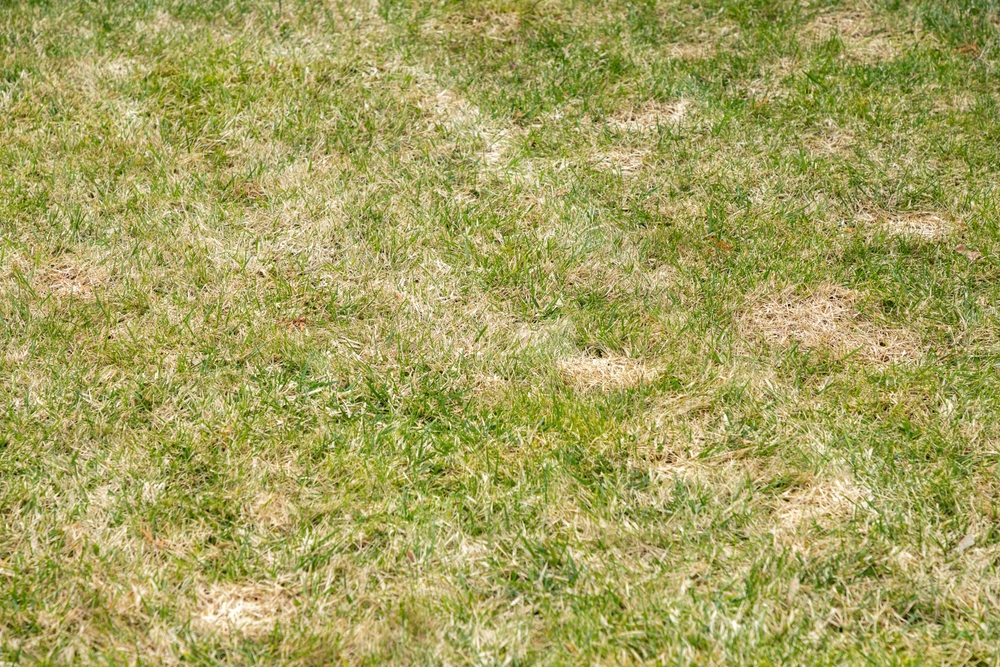
Recognizing symptoms early prevents widespread turf loss. Effective grass disease identification starts with observing patterns, timing, and visual clues. Several diseases commonly affect coastal Mississippi lawns:
Brown Patch often appears as circular brown areas surrounded by greener turf. This disease thrives during warm, humid evenings and spreads quickly when lawns remain wet overnight.
Dollar Spot produces small, silver-colored patches scattered across turf areas. It frequently develops when lawns experience nutrient deficiencies combined with prolonged leaf moisture.
Gray Leaf Spot creates elongated lesions along grass blades that eventually merge, causing thinning and weakened turf. This disease is common during hot, rainy periods.
Pythium Blight spreads rapidly in saturated conditions and can destroy large sections of turf within days if left untreated.
Tracking when symptoms emerge, how fast they spread, and where they occur provides valuable insight for selecting the correct treatment approach.
When Lawn Pests Imitate Disease Damage
Not all lawn decline stems from pathogens. Insects often damage turf in ways that resemble fungal problems. Without proper diagnosis, treatments may fail to resolve the underlying issue.
- Mole crickets tunnel beneath the soil surface, feeding on roots and causing turf to loosen and die back.
- Armyworms and sod webworms chew grass blades aggressively, leading to sudden browning across large areas.
Accurate lawn pest control requires identifying both the insect species and the life stage causing damage. Integrated programs that monitor activity and apply targeted solutions prevent infestations from escalating. Liqui-Chem’s approach emphasizes preventative treatments designed to protect turf while minimizing environmental impact.
The Role of Soil Health Improvement in Disease Prevention
Healthy turf begins below the surface. Soil health improvement plays a critical role in preventing disease and supporting recovery after stress. Compacted or nutrient-poor soil restricts root development, limiting the lawn’s ability to absorb water and essential elements.
Key soil-focused practices include:
-
Core aeration to relieve compaction and improve oxygen flow
-
Dethatching to reduce moisture retention near grass blades
-
Balanced fertilization to support consistent growth without overstimulation
When soil conditions improve, grass develops deeper roots and thicker coverage, naturally suppressing disease development. Cultural methods that support long-term soil quality are a cornerstone of sustainable lawn care programs.
Integrated Lawn Disease Management Strategies
Successful lawn disease management combines preventative habits with responsive treatments. Rather than reacting only after symptoms appear, homeowners benefit most from a proactive plan that reduces disease pressure year-round.
Best practices include:
-
Mowing at proper height to reduce stress and improve airflow
-
Watering early in the day so blades dry quickly
-
Avoiding excessive nitrogen during peak disease seasons
-
Selecting turf varieties suited to coastal environments
-
Monitoring lawn conditions weekly for subtle changes
When disease pressure increases, professional applications can interrupt pathogen development while preserving turf safety. Programs designed specifically for Gulf Coast lawns account for seasonal risks and environmental conditions.
Why Local Expertise Matters
National lawn care recommendations often fail to address regional variables. Coastal Mississippi lawns experience higher humidity, greater salt exposure, and more storm-related stress than inland areas. Working with a provider that understands local conditions ensures treatments align with real-world challenges.
A healthy lawn resists disease naturally. When turf receives proper nutrition, balanced moisture, and consistent monitoring, it recovers faster from stress and maintains dense growth that crowds out pathogens. Pairing homeowner best practices with professional guidance creates a sustainable strategy for lasting lawn health.
Liqui-Chem Lawn & Shrub Care has decades of experience serving Gulf Coast communities, offering customized programs based on soil composition, grass type, and seasonal conditions. Our team focuses on preventative solutions rather than one-size-fits-all treatments